



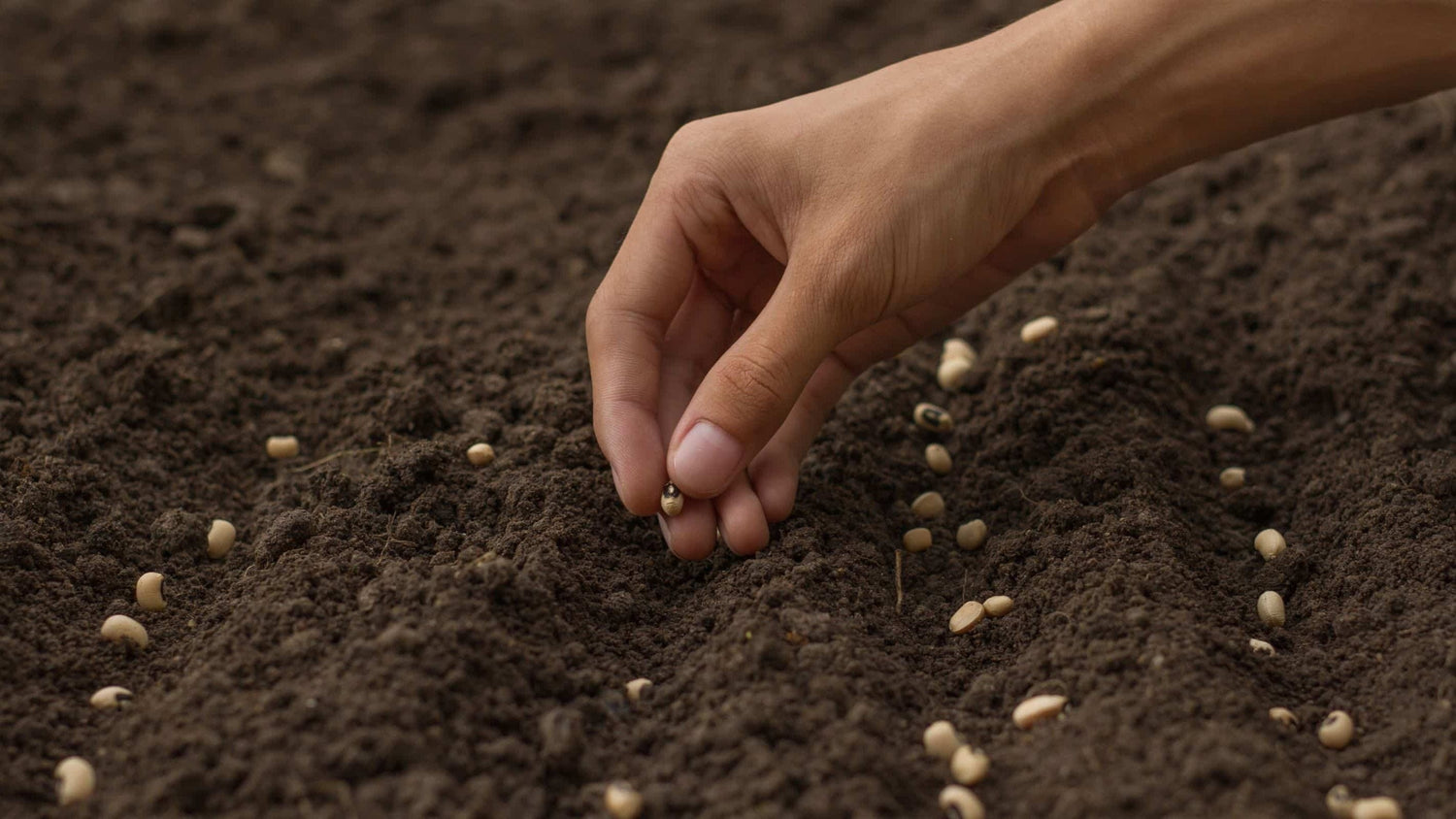
Starting seeds indoors gives you the key to unlock a longer growing season and greater control over your seedlings. Learning how to start seeds indoors is easy and fun but there are a few key elements that you must get right to maximise your success.
There is an old saying in gardening that “well sown is half grown”. This means that if your seedlings get a good start to life, they will grow up to be healthy and happy plants. In other words, putting in the effort now at the sowing stage pays dividends later.
Starting plants from seed indoors also helps you to keep pests at bay. When seedlings are small and growth is relatively slow, they are particularly vulnerable to pest damage. Growing them indoors until they are large enough to overcome pest damage is an excellent method to help ensure successful growth.
Here we will look at how to start seeds indoors with a few tips and tricks for success.
Starting seeds indoors
The key thing you need to know about starting seeds indoors is that the conditions will generally be warmer, drier and darker than outdoors. Warmth will happily speed up germination, but being too dry will slow it down or prevent germination altogether.
Even if you have a sunny windowsill on which to start your seeds, they will likely get less light than if they are outdoors. Seedlings that don’t get enough light will stretch upwards to find some sunshine. This is called etiolation or “going leggy” and results in thin, elongated stems that cannot support healthy growth. Seedlings may also lean towards the light, creating lopsided growth. To mitigate against this, either give them the sunniest spot you have or rotate them regularly. Or you could consider purchasing grow lights, such as our ROOT!T 26w LED Grow Light, if you don’t have a sunny windowsill.
If you are starting seeds in a greenhouse, bear in mind that this will not protect your tender crops from frost. Using a garden propagator will help to speed up germination, but growth will still be very slow if temperatures are too low.
When to start seeds indoors
The real beauty of starting seeds indoors is that you can start your crops early. Tender crops such as tomato seeds, chilli pepper seeds and cucumber seeds will quickly die if temperatures dip below zero, which happens regularly over winter in the UK, even inside a greenhouse.
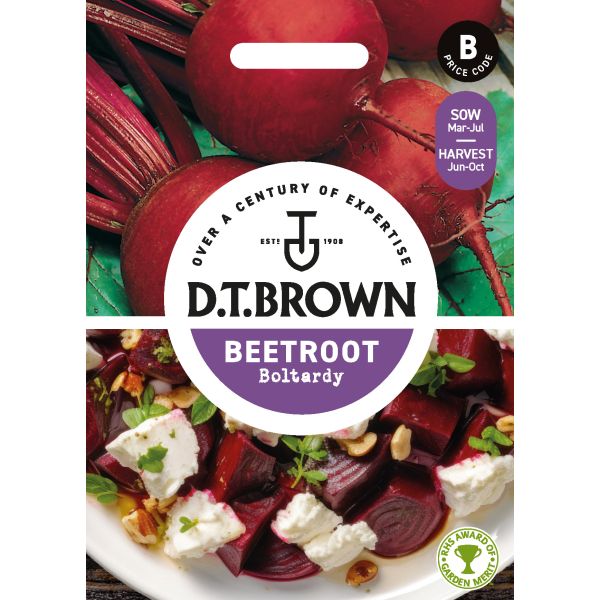
Sow your seeds according to the advice on the back of the seed packet. Most tender crops can be started 6 to 8 weeks before the last expected frost date. Hardy crops can be sown at the same time as they would be sown outdoors.
If seeds are sown too early, they can get too large for the indoor space before it is time to plant them out, particularly with tender crops that cannot be planted out before the risk of frost has passed. So, pay attention to sowing times on the packet and don’t deviate from it too much.
How to get the best grow set-up for indoors
The best grow set-up for indoors will give your seeds and seedlings all the elements they need for healthy growth. At this stage in a plant’s development, this is warmth, light, moisture and a good growing medium.
Start by choosing a fine garden compost that will hold moisture and not create too much resistance for emerging seedlings. Ensure that you have a pot or tray with good drainage. While it is important to ensure that your seeds have enough moisture, it is also essential that they don’t become too wet. Compost that is too wet can harbour diseases and cause seeds or seedlings to rot.
If you want the best grow set-up for indoors, consider using a heated propagator and grow lights. A heated propagator, or seedling heat mat, such as our ROOT!T Thermostat and Large Heat Mat Set, will slightly warm the soil, enough to speed up germination. Grow lights will provide your seedlings with broad-spectrum light to help create strong, stout growth. This will ensure they can support flowers and crops later in their development. Seedlings need around 12 to 14 hours of sunlight a day, something we don’t get in the UK until around the end of March.
Related Products
 Save £2.33
FAQs
Is it better to germinate seeds in soil or a paper towel?
It is best to germinate seeds in a fine seed compost. Garden soil is often too heavy or compacted for seedlings and may contain tiny pests or diseases. Using paper towels for starting seeds indoors works well, but you will need to transfer your seeds into soil for them to develop. Careful propagation in seed compost cuts out this unnecessary step and reduces disturbance to your seedlings.
Should I soak seeds before planting?
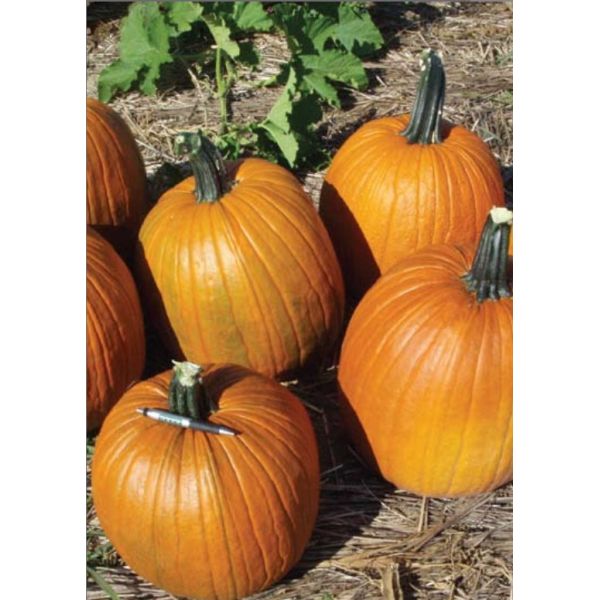
Large seeds can be soaked before planting. This is because water is needed to break down the seed coat and allow the tiny embryonic plant inside to sprout. Soaking seeds can help to speed this process up, and this is particularly noticeable in larger seeds such as pumpkin seeds, sunflower seeds, pea seeds and bean seeds.
What month should I start seeds indoors?
When to start seeds indoors in the UK will depend on the type of seed that you are sowing. However, most seeds can be sown from around mid-March when the number of daylight hours starts to increase rapidly.
High-Quality Seeds at D.T. Brown
When starting seeds indoors, it’s worthwhile to choose reliable seeds from a trusted supplier to ensure that you have the best chance of success. At D.T. Brown, we’ve been providing UK gardeners with seeds for over 100 years, all carefully selected for dependable growth and high satisfaction.
In our collection, you can find vegetable seeds, fruit seeds, herb seeds, and many more options that you can add to your garden and give the best chance of success using our tips above.
If you have any questions about our gardening products, get in touch with us today, and a member of our team will be happy to help you.