Pumpkin Big Doris F1 Seeds

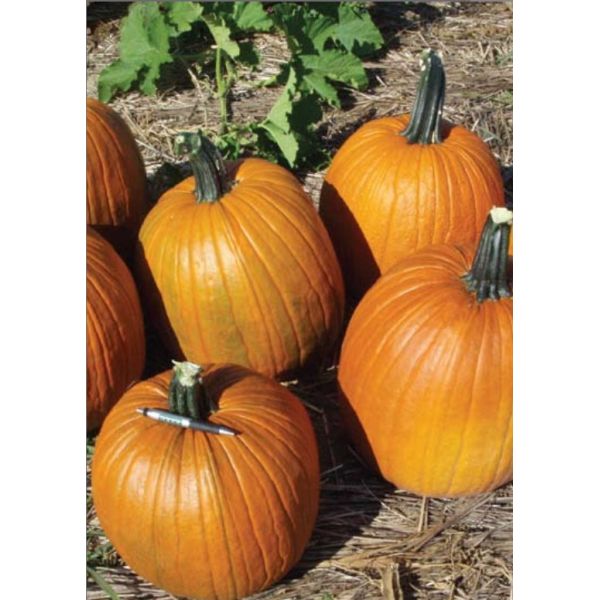
- Produces very large pumpkins often over 10kg
- Good resistance to mildew for reliable crops
- Ideal Halloween-style pumpkins for impressive home-grown harvests

Product Description
Pumpkin Big Doris F1 Seeds produce impressively large, classic Halloween-style pumpkins, often reaching 10kg or more. This striking variety combines size with reliability, offering good resistance to mildew and strong performance for home growers looking to harvest show-stopping fruits.
Sow indoors from March to April, planting one seed per pot and hardening off towards the end of May. For outdoor sowing, plant from late March to May, placing two seeds per position on their edge about 1.5cm (half an inch) deep, then thinning to the strongest plant. Allow plenty of space, with plants positioned around 90cm (3ft) apart. Keep plants well watered and feed every 10–14 days with a liquid fertiliser to support healthy growth and fruit development.
Harvest from July to October and store pumpkins in a dry, frost-free place, ready to enjoy as a bold garden feature or for home-grown cooking.
Product Details
Grow In
- Allotment / Veg Patch
- Container
- Patio
- Raised Bed
- container
Planting & Harvesting
- Sow Indoors
- Sow/Plant Outside
- Flowers/Harvest
Delivery & Returns
Looking for a hassle-free way to get your gardening essentials? Look no further than DT Brown!
We know how important your garden is to you, and want you to be able to stock up on everything you need.
All our delivery charges will automatically appear in your shopping basket.
- Orders for seed only will incur a £2.45 delivery charge
- Orders for non-seed items will incur a £4.95 delivery charge
- A combined order (e.g. seeds and plants) will incur a £7.35 delivery charge.
Related Articles

D.T. Brown's Allotment Layout Ideas: How to Plan and Start Your First Plot
Whether you’re about to get started with a new allotment and are looking for a beginner’s allotment plan, or you just want to change the layout of your existing one, making a plan is the best way to make sure you don’t forget anything crucial. Below, we outline why a plan is necessary and explain the various things you should include when learning how to start and plan an allotment.