How to plant aubergine
Setting young stock into containers or greenhouse borders gives their roots the room and nourishment needed for bountiful crops. If you're growing on a sun-drenched patio or under glass, pot into a 25-30cm container filled with rich compost. If planting directly into a raised bed, prepare the ground beforehand with thorough soil preparation, digging in well-rotted manure for nutrients.
Here’s a step-by-step guide to planting your aubergines:
- Dig the holes — Prepare the ground with holes spaced 45-60cm apart. These should be slightly wider than the nursery pot and around the same depth. If planting multiple rows, leave a gap of 60-90cm between so you have room for watering and weeding.
- Remove the plant from its pot — Turn the pot on its side and gently tap the edges to loosen the soil, then slide the root ball out. Don’t pull the plant by its stem, as they’re quite brittle. Keep the root ball entirely intact — aubergines don’t tolerate their roots being disturbed.
- Position your plants — Place your plants into the holes, keeping the top of the nursery root ball flush with the surrounding compost surface. Burying the stems invites fungal collar rot. Lightly firm down the soil around the plant with your heel.
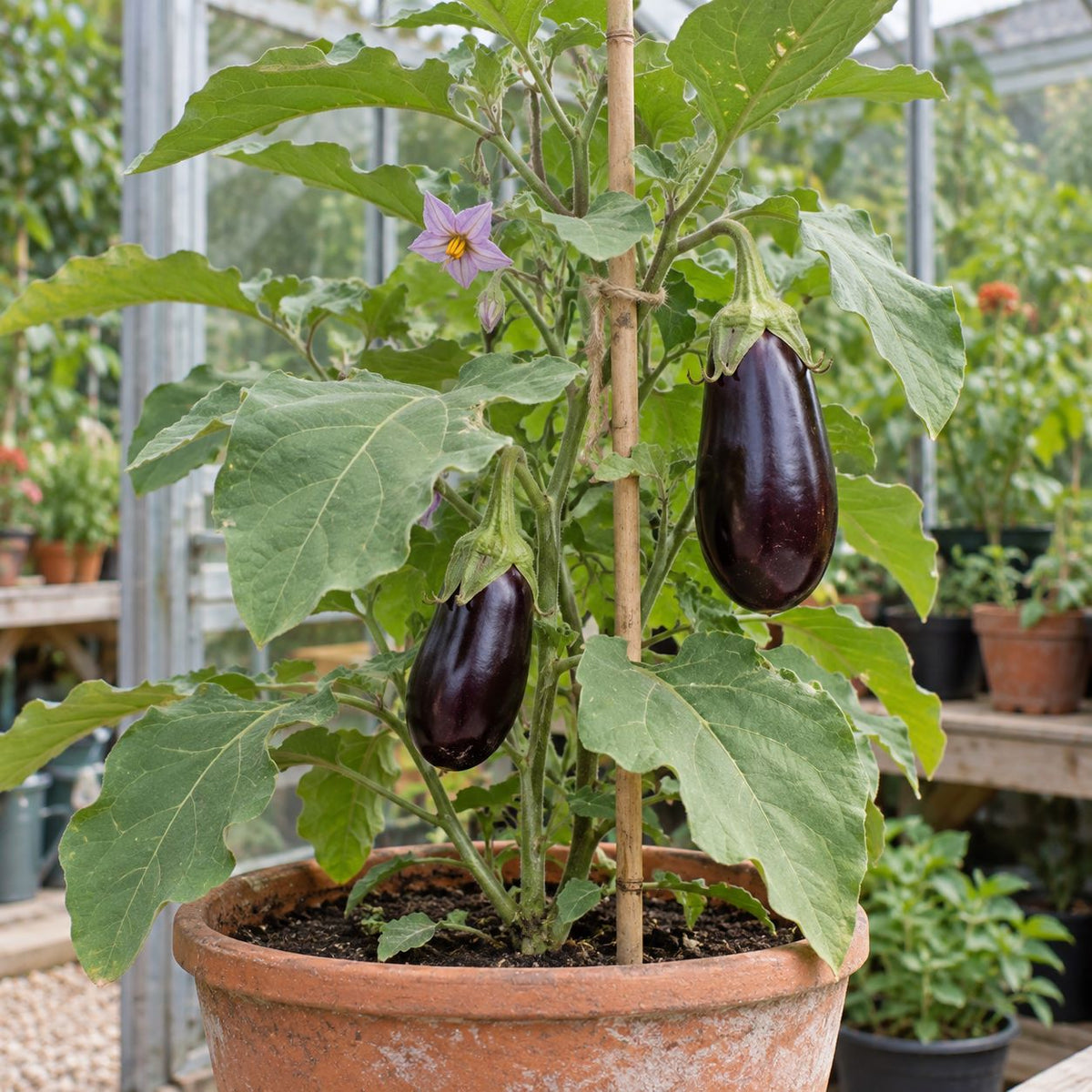
- Water and support — Give your plants a healthy drink with tepid water, and push a sturdy 90cm bamboo cane beside the stem straight away to avoid piercing expanding roots later.
- Feed — Once flowers set and fruits start swelling, feed fortnightly with a high-potash liquid tomato fertiliser (see our feeding and watering guide).
If you’re also raising seedlings from scratch alongside potted stock, check our advice on how to grow aubergines from seed.
When to plant aubergine in the UK
Warmth and daylight are crucial, making late spring the ideal planting window. Once your plants arrive in April or May, grow them on in an unheated greenhouse or bright, south-facing windowsill until overnight temperatures stay above 12°C. Move plants into permanent positions from mid-to-late May.
If you plan to grow in sheltered, sunny outdoor containers or allotments, wait until early June when all late frost risks have completely passed. Take 7-10 days to harden plants off, moving them outdoors during mild, overcast days and returning under cover overnight.
Technically, these plants are tender perennials in tropical climates, but because UK winters bring killing frosts, you’ll need to cultivate them as warm-season annuals.
How tall do aubergine plants grow?
Mature aubergine plants reach between 60-90cm in height, developing into bushy, spreading sub-shrubs with large, velvety leaves. Vigorous greenhouse varieties like 'Moneymaker' can stretch up to 1m tall when grown in warm polytunnels, while compact heirloom types like 'Rosa Bianca' and 'White Knight' generally stay around 60-75cm, making them manageable in patio pots.
Because the fruits quickly become heavy, secure main stems to bamboo canes with soft garden twine. Once plants produce five or six well-developed fruits, pinch out the main growing tip with your fingers. This stops energy from bleeding into weak top foliage and directs all reserves into swelling and ripening glossy, tender skins.
What are the best aubergine companion plants?
Planting some helpful neighbours alongside your aubergine crops boosts pollination and establishes natural barriers against outdoor pests. Here are some of our favourites:
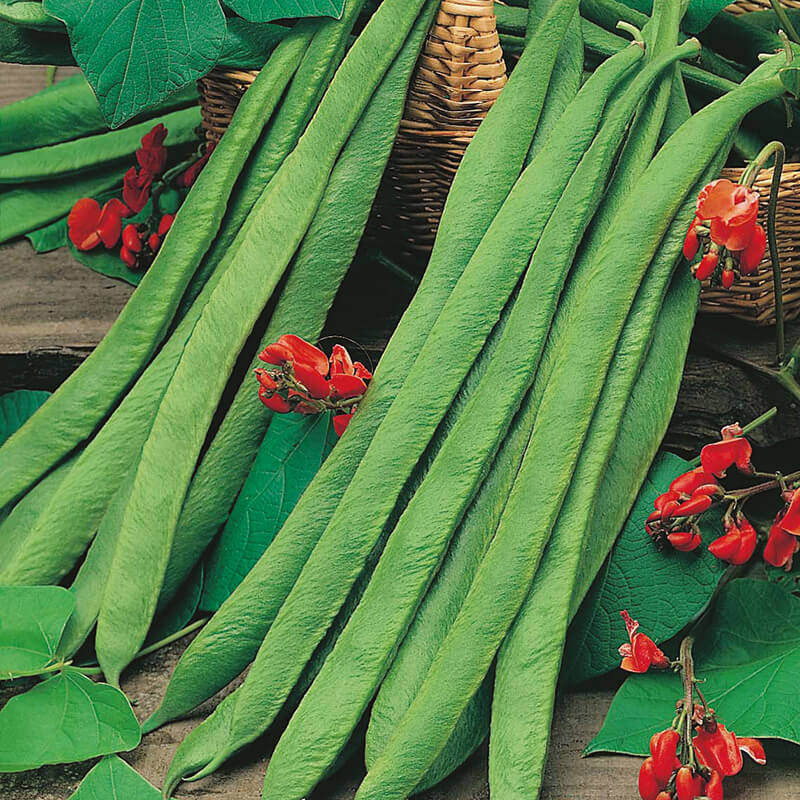
- Beans — Dwarf French beans and climbing beans fix atmospheric nitrogen in the soil, feeding nearby roots while luring Colorado potato beetles away from tender foliage.
- Herbs — Aromatic herbs like basil and oregano release pungent essential oils that deter aphids, spider mites, and thrips, while rosemary helps mask solanaceous scents.
- Peppers — Sweet and chilli peppers share identical heat, light, and watering demands, making them natural partners in greenhouses and polytunnels without competing.
- French Marigolds — Emit distinct root exudates that suppress harmful root-knot nematodes in greenhouse borders, while their vibrant flowers attract hoverflies and ladybirds to devour whiteflies.
- Nasturtiums — Act as a dependable decoy trap crop, drawing blackfly, flea beetles, and caterpillars away from smooth aubergine leaves.
Discover more organic plot strategies in our comprehensive guide to companion planting.