When to sow cornflower seeds in the UK
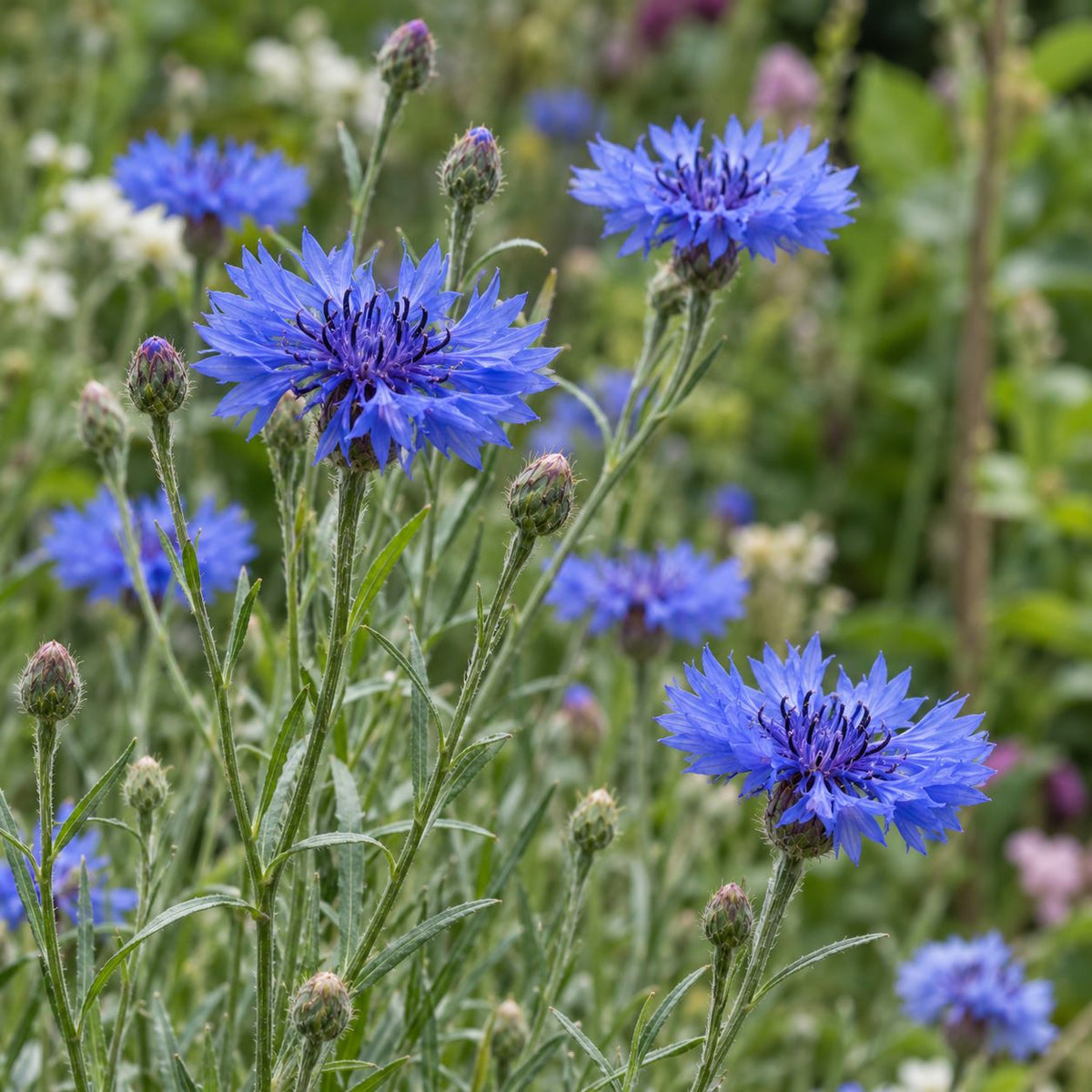
Getting your timing right depends on whether you want an early flush of late-spring blooms or a continuous succession of vibrant cutting stems throughout summer. Because Centaurea cyanus is a fully hardy annual, you can take advantage of two primary sowing windows:
- Late summer to early autumn (late August to September) — This is the secret weapon of experienced cut-flower growers. Sowing into warm, moist soil lets seeds germinate quickly and form compact basal rosettes before winter dormancy. These overwintered plants develop deep root systems that burst into vigorous spring growth, flowering up to four weeks earlier (from late May) on taller, stockier stems than spring-sown batches.
- Spring (March to May) — Once winter cold lifts and soil temperatures sit above 10°C, direct outdoor sowing can start. In colder northern gardens, start seeds undercover in module trays on a bright windowsill or unheated greenhouse from late February or March, transplanting seedlings out after hardening off.
- Successional sowings for extended flowering — Rather than sowing your entire packet at once, broadcast small batches every three weeks from mid-April through to early June. This staggered approach avoids a single brief burst of colour, providing a steady supply of fresh buds right through to September.
Check our guide on sowing times for more seasonal scheduling tips.
How to plant cornflower seeds
Whether you're establishing a border or planting cornflower seeds along dedicated cutting drills, a healthy crop starts with choosing an open, sunny site with free-draining ground. Cornflowers thrive best in lean or moderately fertile soil; avoid heavy applications of manure or high-nitrogen fertiliser, which spur leafy growth and floppy stems at the expense of flower buds.
Follow this straightforward routine for reliable strike rates:
- Seedbed tilth — Clear away weeds and fork over the topsoil, raking the surface to a fine, crumbly tilth. Carry out thorough soil preparation beforehand if your ground is heavy clay, incorporating coarse grit to avoid winter waterlogging.
- Drawing drills — Using the corner of a draw hoe or cane, scrape shallow drills roughly 1cm to 1.5cm deep. Space rows 25cm to 30cm apart to allow plenty of room for weed control.
- Sowing density — Scatter seeds thinly along the trench, or station-sow pinches of two to three seeds every 20cm. Cover lightly with finely raked soil, firm gently with the back of your rake, and water using a can fitted with a fine rose. See our proven sowing techniques for best results.
- Thinning out — Shoots usually emerge within 14 to 21 days. Once seedlings develop two or three leaves, thin them to 20cm to 30cm apart. Proper spacing is vital; crowded foliage restricts airflow and makes plants vulnerable to powdery mildew.
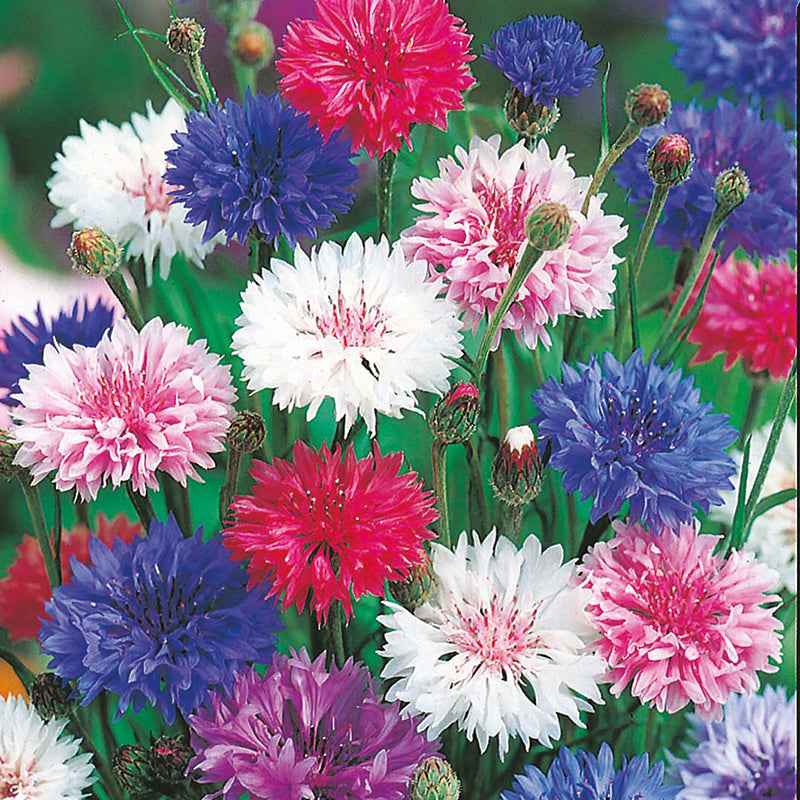
- Staking and wind protection — Tall-growing cultivars and double-flowered varieties reach 75cm to 90cm in height. Set up horizontal pea netting or run garden twine between corner stakes when plants are 20cm tall to give developing stems firm support against summer rains.
- Pinching and harvesting — Snip out the leading shoot when young plants reach 15cm to 20cm high to encourage branching and multiple flowering stems. Once buds open, pick blooms every two to three days; this prevents seed formation and keeps plants producing colour all season.