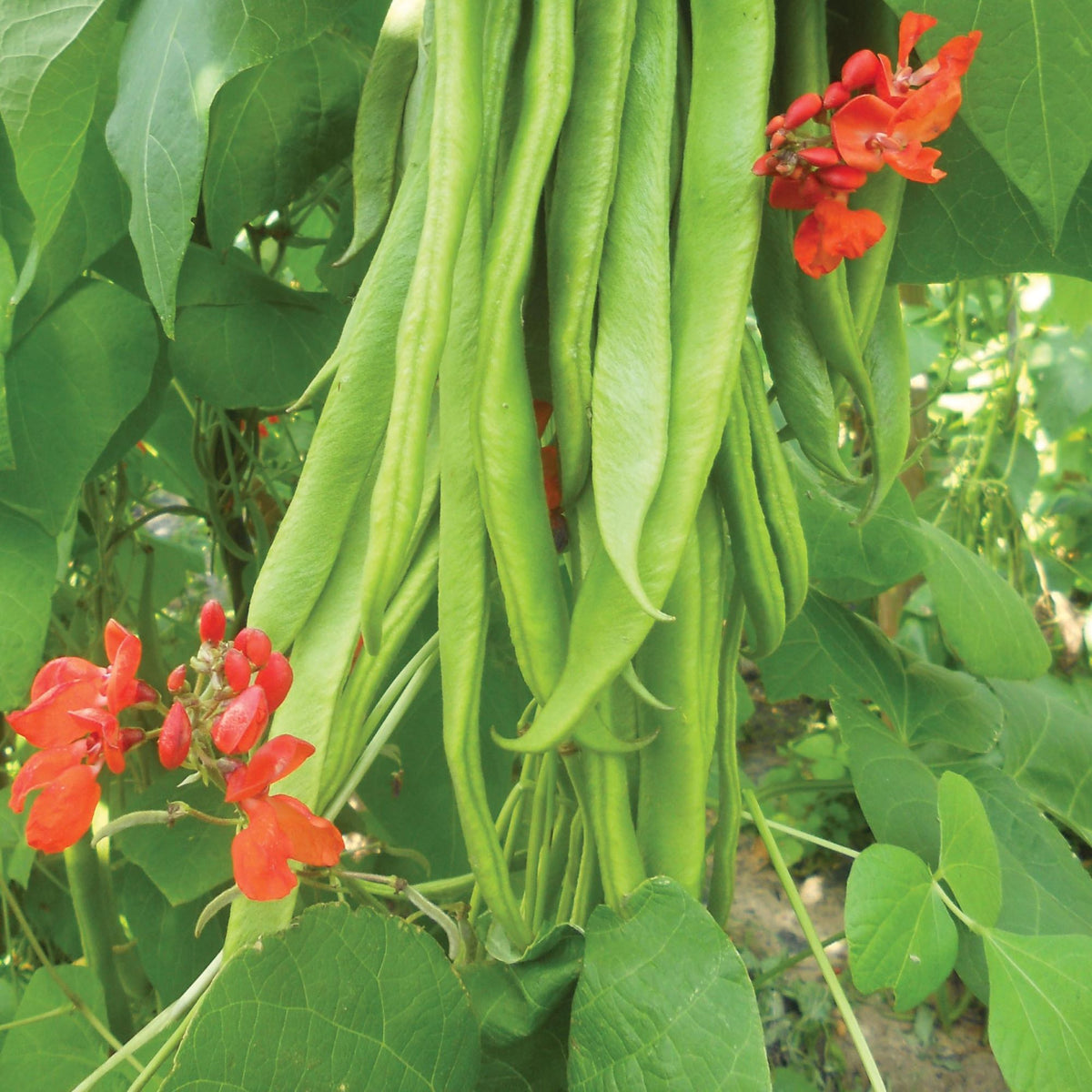
When can I buy runner bean plants?
Pre-orders for our potted and plug selections open in early-spring, and dispatch schedules are carefully timed to match the natural outdoor growing calendar. We hold deliveries back until young stems are strong enough to travel safely and ground temperatures start to rise.
Ordering ahead guarantees your preferred varieties before popular stocks sell out, especially if you're planning a dedicated bean trench on your allotment or garden. Once your plants arrive in late-spring, unwrap the plugs immediately, give them a gentle drink of tepid water, and pot them into 9cm pots with quality compost. Keep them in a bright, unheated greenhouse or sunny cold frame to settle while you prepare your soil for planting.
When to plant runner bean plants
Late-May to early-June is the safest window to plant across most of the UK, once the threat of late spring frost has passed. Runner beans are tender, subtropical climbers by nature; planting into cold, waterlogged soil chills the root system and stunts early development.
Start hardening off your young stock 7 to 10 days before final planting by moving them outdoors during mild days and bringing them back under cover at night. Soil temperatures should sit consistently between 10℃ to 12℃. If you have an exposed, northern plot, waiting until the first week of June gives plants the warm soil they need to grow and climb fully.
Check our detailed guide on how to grow runner beans for more advice.
How many runner bean plants per cane?
Planting one strong runner bean plant per cane delivers the best balance of air circulation, light penetration, and yield. While some growers double up by planting two per cane to save space, single planting avoids tangled growth and reduces competition for soil moisture during hot summer spells.
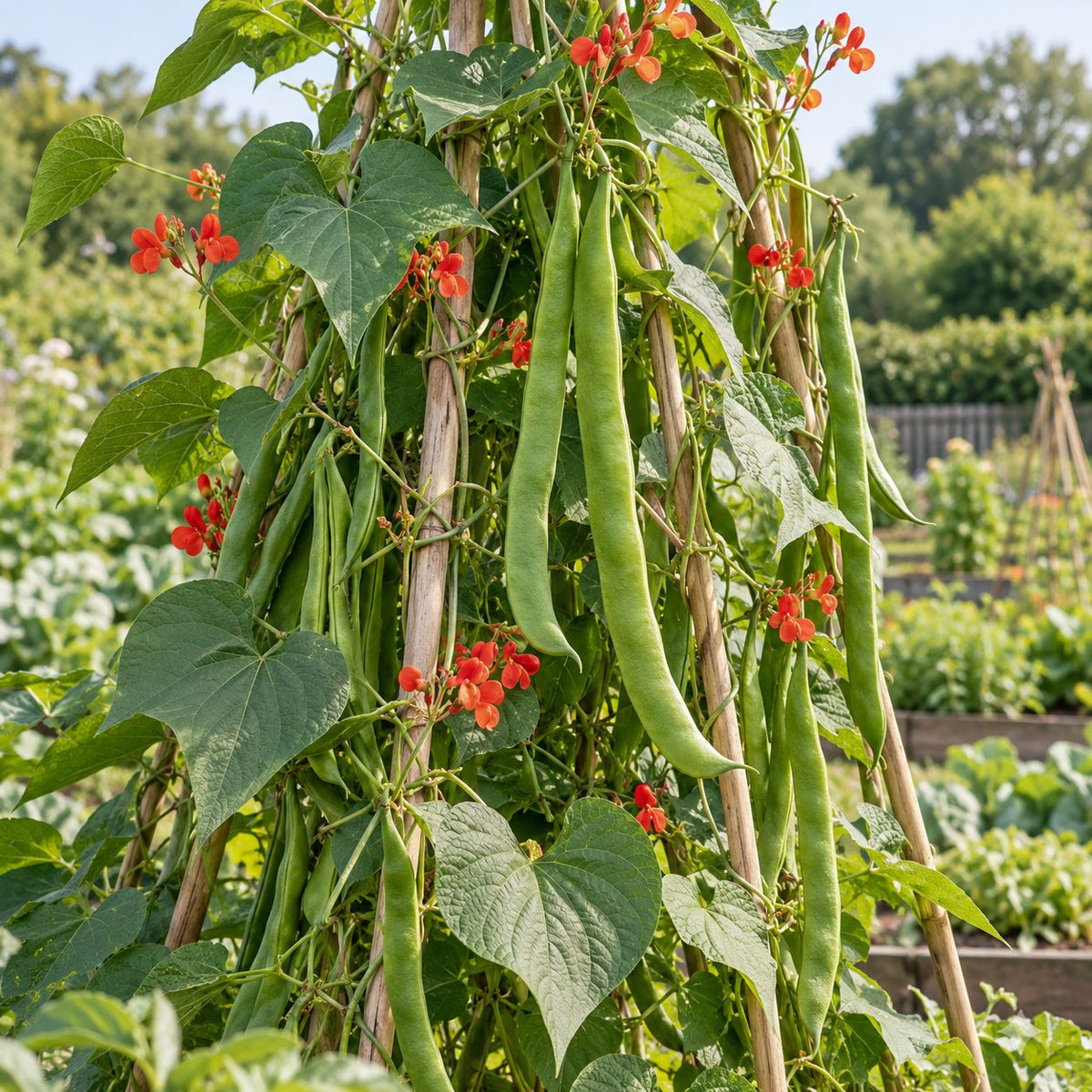
For traditional A-frame supports or tall wigwams:
- Use sturdy 2.4m (8ft) bamboo canes pushed at least 30cm deep into the ground.
- Space canes 30cm-40cm apart along the row, leaving roughly 45cm to 60cm between paired rows.
- Position each plant 5cm away from the base of its upright, angling the root ball slightly towards the cane.
- Secure the main shoot loosely with soft garden twine until the tendrils start twining naturally anticlockwise.
- Once vines reach the top of the structure, pinch out the growing tips to encourage lateral branching and concentrate energy into pod production.
Soil preparation and feeding for heavy crops
A bumper harvest starts well before planting day with generous soil preparation. Here’s a quick step-by-step guide:
- Dig a bean trench — This should be around 30cm deep and dug during late winter or early spring. Line the base with plenty of well-rotted manure, garden compost, or even soaked shredded newspaper to build a moisture-retentive reservoir.
- Give rows a thorough soaking — Water once a week, rather than light surface sprinkles, and lay down a thick organic mulch along the trench to lock in coolness. Consistent moisture is crucial once flower trusses form. Dry roots cause blossom drop, where flowers fall without setting pods. Learn more about effective irrigation techniques in our feeding and watering guide.
- Use pest control — Young succulent shoots are prime targets for slugs in late spring. Protect fresh stems using barriers or biological nematodes as outlined in our slug control tips.
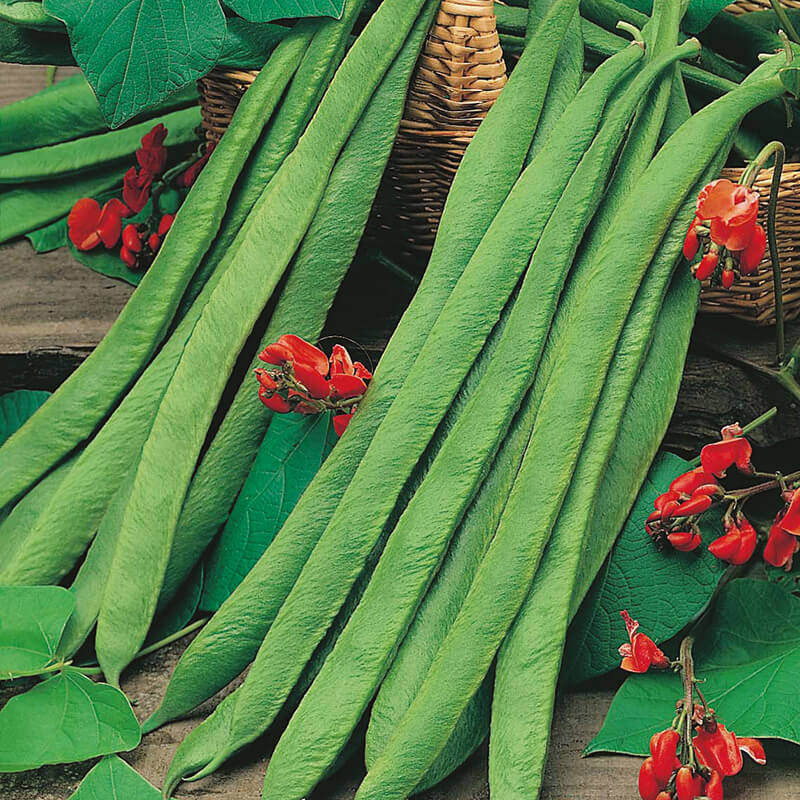
- Pick your beans — Harvest mature beans every two to three days once pods reach 15cm to 20cm long; harvesting regularly prevents seeds swelling and keeps plants flowering right through to the first autumn frosts.