


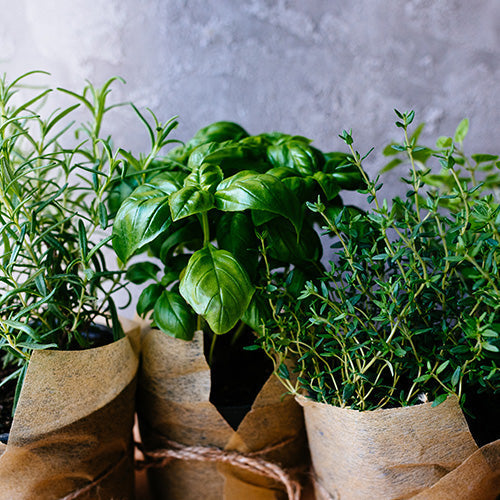
Few things lift everyday cooking quite like fresh herbs. A handful of basil torn over pasta, rosemary crackled onto roast potatoes, or parsley snipped straight into a salad can transform a meal in seconds. Yet many of us share the same frustrating experience: a lush supermarket basil plant that looks perfect on Monday and is completely dead by Friday.
Growing your own herbs, especially from seed, is a completely different story - and with the right approach, a home-grown herb garden can provide fresh flavour for months.
This guide will take you through the entire journey - from how to grow herb seeds successfully indoors and outdoors, when (and how) to harvest, and finally, how to preserve herbs so they still taste incredible months later.
How to Grow Herbs (Outdoors)
Outdoor herb growing is simple, productive, and often the most forgiving option.
The first thing to understand is that herbs fall into two main camps:
- Annual herbs (basil, coriander, dill): fast-growing, short-lived, and best sown little and often
- Perennial herbs (rosemary, thyme, sage, chives): planted once and harvested for years
Most herbs prefer:
- A sunny, sheltered position
- Free-draining soil (they hate sitting wet)
- Moderate feeding - too much fertiliser reduces flavour
Sow annual herbs directly outdoors from spring onwards once frost risk has passed. Perennial herbs can be sown or planted and will slowly establish into long-term plants.
Coriander deserves special mention: it has a habit of bolting (flowering) quickly in warm UK summers. This isn’t failure - it’s normal. The solution is frequent sowing, not trying to make one plant last forever.
How to Grow Herbs Indoors
Indoor herb growing is hugely popular - but it’s also where most problems happen.
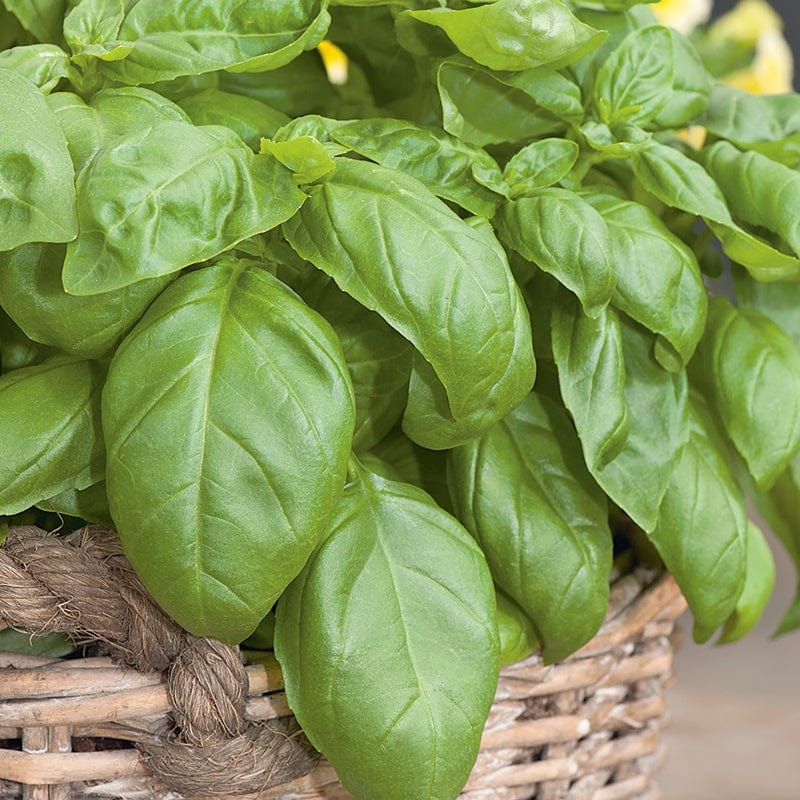
That supermarket basil plant that collapsed? It was grown under artificial light, pushed hard with fertiliser, and crammed with multiple plants in one pot. Once it hits a windowsill, it simply can’t cope.
Growing from seed is different. You control the pace.
Key indoor rules:
- Choose a bright, south-facing windowsill
- Never place herbs on top of a radiator - cooked roots are a death sentence
- Use free-draining compost and pots with drainage holes
- Water little and often, never leaving pots soggy
Herbs like parsley, basil, and chives grow well indoors from seed. Woody herbs can be grown indoors short-term, but are generally happier outdoors or in cool, bright conditions.
For lots more advice, read our blog on ‘Creating a herb garden indoors’.
The Art of Harvesting
Harvesting herbs isn’t just about timing - it’s about flavour.
The best moment to harvest is in the morning, after the dew has dried but before the sun gets hot. This is when essential oil levels are at their highest.
Always:
- Use sharp scissors or snips
- Never take more than one-third of the plant at a time
- Regularly harvest to encourage bushier growth
For woody herbs like rosemary and thyme, follow RHS guidance and prune lightly but often. This prevents plants from becoming woody and leggy, extending their life.
The Best Way to Preserve Herbs: Drying vs. Freezing
This is where many gardeners go wrong - but also where the biggest rewards lie.
Why Dry Woody Herbs
Herbs like rosemary, thyme, sage, and oregano have tough leaves and low moisture content. Drying concentrates their flavour.
A simple test:
- A properly dried rosemary needle will snap cleanly
- If it bends, it’s not ready and will go mouldy in storage
Avoid air-drying in a damp kitchen. If your home is humid, use a dehydrator or an oven on its lowest setting with the door slightly ajar.
Why Freeze Soft Herbs
Soft herbs like basil, parsley, coriander, and chives lose much of their flavour when dried. Freezing is far superior.
A brilliant kitchen trick is to chop herbs finely, pack them into ice cube trays, cover with water or olive oil, and freeze for instant cooking portions.
Freezing locks in essential oils and colour - perfect for winter cooking.
Build a herb garden that works as hard as your kitchen does
Getting the most out of your herb garden means thinking beyond the pot. It’s about understanding how each herb grows, when it tastes best, and how to preserve that flavour long after the growing season ends.
Grow from seed, harvest with intention, and preserve wisely - and you’ll never look at a £2 supermarket pot the same way again.
In summary:
- Grow herbs from seed for stronger, longer-lasting plants
- Annual herbs need regular resowing; perennials are long-term investments
- Indoor herbs need light, not heat
- Harvest in the morning for maximum flavour
- Dry woody herbs, freeze soft herbs for best results
Explore our full range of Herb Seeds, Pots & Planters, and Harvesting Tools — and enjoy fresh flavour all year round.