When to plant mint
Spring is the prime window to get mint established once the winter frost starts to lift. Setting out young plants between late March and May lets roots anchor into soil before active summer foliage takes off. If you’re receiving our later June deliveries of garden mint, plant immediately into patio containers or beds, keeping them well-watered during their first fortnight to prevent heat stress.
For autumn deliveries of dormant or semi-dormant After Eight mint in November, pot them into slightly larger containers filled with peat-free potting compost and overwinter in a bright, unheated greenhouse. They’ll establish a dense root ball, ready to produce a flush of fresh, fragrant shoots in early spring.
Mint plants varieties explained
Mint is one of the herbs every gardener should grow, but not all variants are built equally. Here’s an overview:
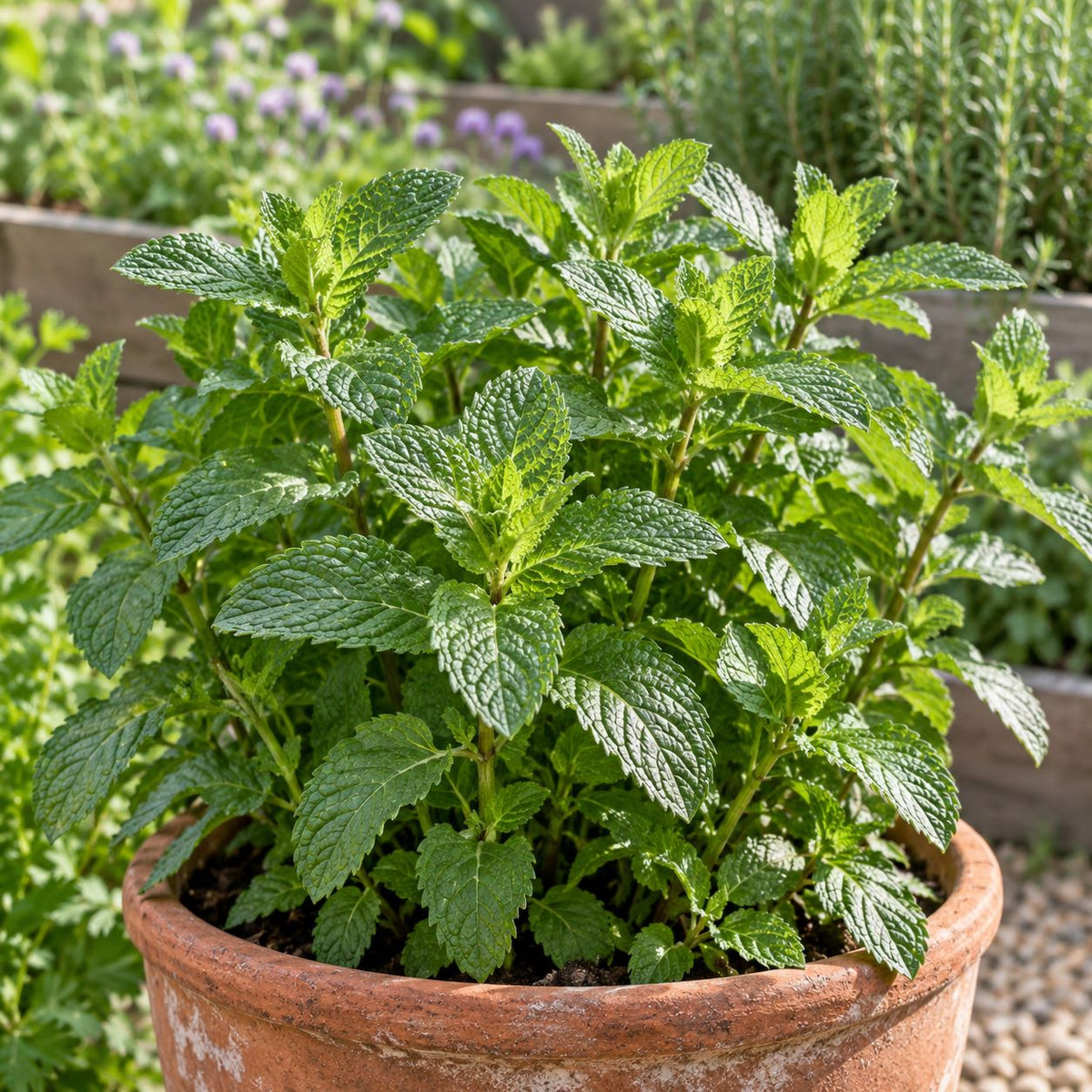
- Garden Mint (Mentha spicata) — The undisputed allotment classic, known for its spearmint aroma and crinkled emerald leaves. It’s the traditional choice for adding to homemade mint sauces, steeping into herbal teas, or topping freshly-dug new potatoes. Vigorous, robust, and winter-hardy across the UK, it produces a constant flow of fresh sprigs from April to October.
- After Eight Mint (Mentha x piperita) — A gourmet variety bred for intense aroma, featuring dark green foliage tinged with purple veins. It has a distinctive blend of cooling menthol and rich, confectionery dark chocolate notes. Perfect for sweet kitchen uses, it’s fantastic when torn over vanilla ice creams, baked into chocolate tarts, or crushed into refreshing mojitos and long summer cordials.
Mint growing conditions
Providing full sun to partial shade and consistently moist, free-draining compost gives these perennials everything they need to thrive. While mint plants for garden plots do well in damp border soils, their underground rhizomes (runners) spread quickly. Here’s a quick guide:
- If planting into mixed beds: Sink them into a bottomless bucket or be prepared to slice back root clumps every autumn to keep them under control.
- If planting in pots: This is often the most practical solution. A 25cm to 30cm terracotta or plastic pot stops spreading runners while keeping moisture levels easy to manage.
- If planting compact cultivars: Smaller varieties like After Eight mint are especially well-suited to patio containers, keeping fresh leaves by the kitchen door.
- If planting garden mint: These plants will happily grow anywhere with decent light, making them a reliable performer on bright kitchen windowsills. They’re also a fantastic addition to herbal hanging baskets, where trailing stems spill over the sides to provide convenient, snippable sprigs all season long.
See our guide on growing and preserving herbs for more advice.
What are some good mint companion plants?
Because mint releases powerful aromatic essential oils, it effectively masks the scent of neighbouring crops. Here’s a look at what grows well:
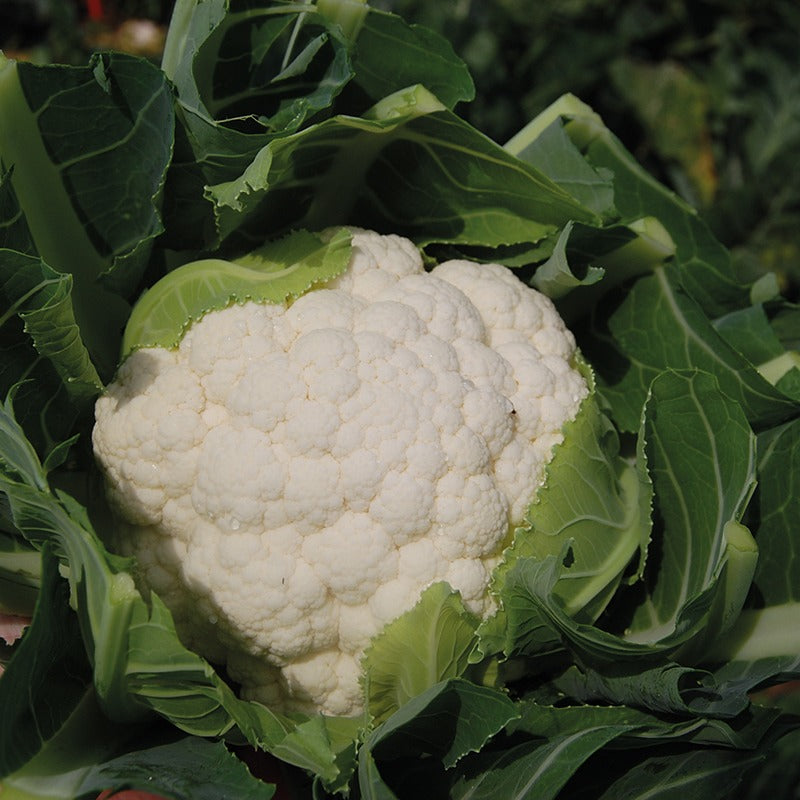
- Cabbages, Kale, and Cauliflower — Pungent mint oils repel cabbage white butterflies, stopping them from laying caterpillar eggs across tender brassica hearts. It also helps ward off flea beetles.
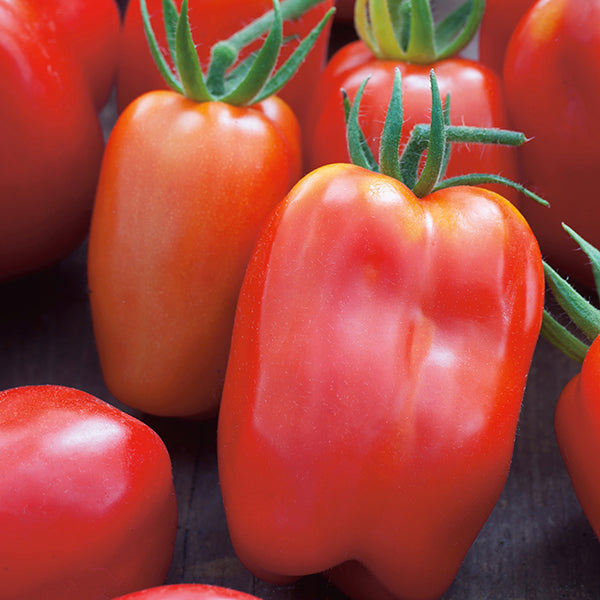
- Tomatoes and Aubergines — Positioning potted mint by greenhouse or outdoor crops helps deter whitefly, aphids, and red spider mites, while attracting predatory beneficial insects to open blossoms.
- Potatoes — Growing mint near potatoes helps deter wireworms and soil pests. As an added bonus, harvesting a few sprigs gives you an instant garnish.
- Carrots — Placing potted mint along carrot rows helps mask the distinctive smell of crushed foliage, confusing carrot root fly during evening thinning.
- Onions — Strong herbal aromas disguise the scent of allium foliage, stopping onion fly from finding vulnerable bulbs.
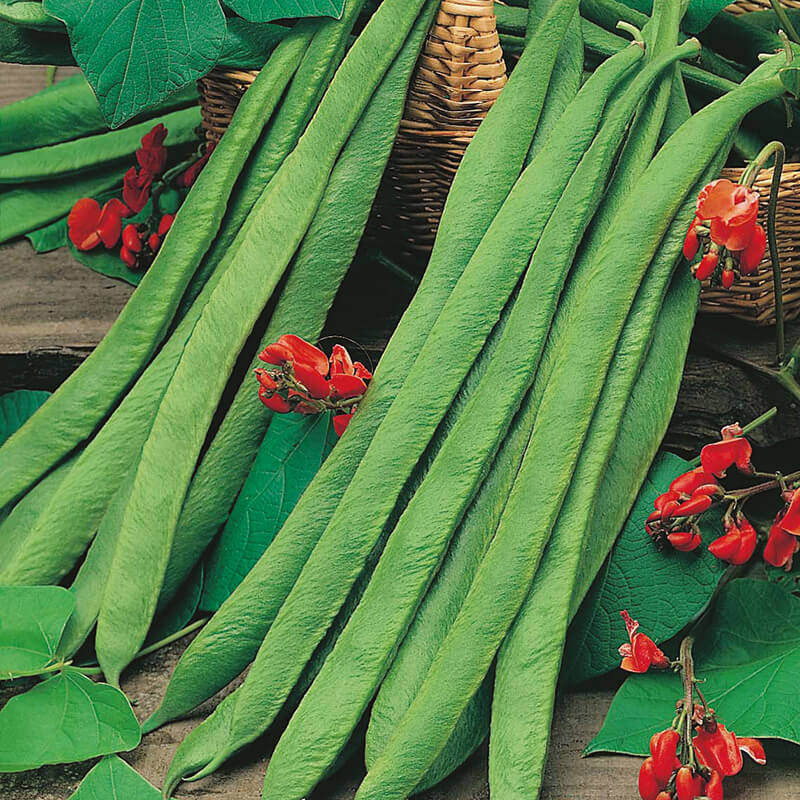
- Beans — Standing mint near climbing runner beans or dwarf French beans acts as a natural deterrent against black bean aphid infestations.
Find out more in our complete guide to companion planting.