



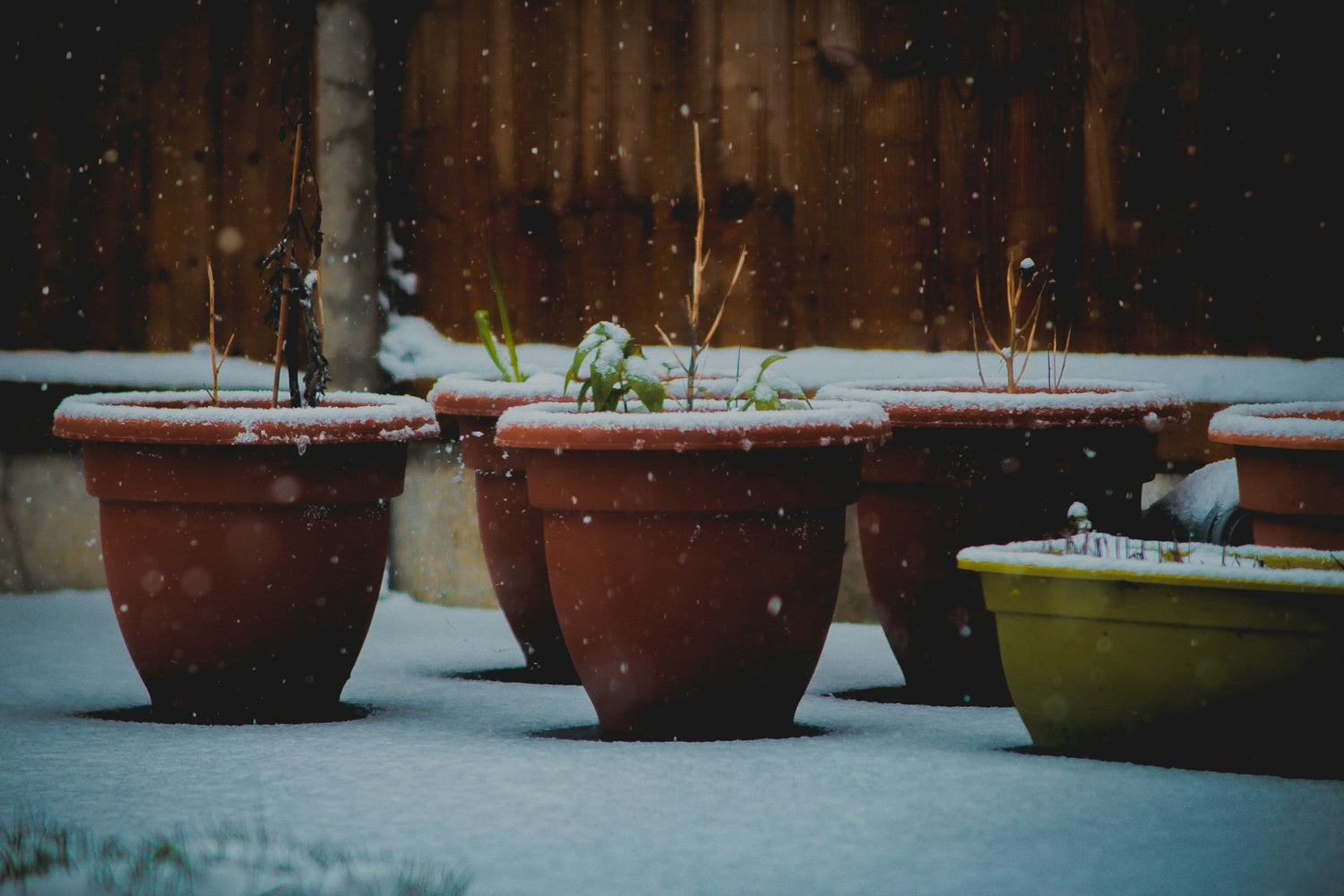
January in the garden is a month of quiet anticipation. Frosty mornings, bare soil, and short days might suggest hibernation, but beneath the surface, preparation is in full swing.
This is the ideal month to tidy borders, plan your planting, and order seeds, bulbs and young plants before the popular varieties sell out. If you have a greenhouse or a bright windowsill indoors, you can start sowing seeds that need a long season, such as Begonia seeds and Geranium seeds.
You can also prepare vegetable beds, check stored crops, and give a little extra care to garden wildlife during the colder days.
To help you out with your garden growing, our guide on what to grow in January contains our best recommendations to get your garden started for the year, with tips on vegetables, flowers, gardening tasks, and gardening equipment to consider.
Vegetables to Sow in January
Though outdoor soil is still resting, January is an excellent month to begin sowing hardy or slow-growing vegetables indoors across the UK.
Start with chilli seeds, sweet pepper seeds and aubergine seeds, as they need a long, warm growing season to ripen fully. Sow seeds in moist, peat-free multi-purpose compost, and place on a sunny windowsill or in a heated propagator, maintaining a steady temperature of 18–21°C.
If you live in a mild area, you can sow broad bean seeds into modular cells or small pots of moist, peat-free compost. These tough legumes will establish in an unheated greenhouse or cold frame, and can be transplanted outside once the risk of hard frost passes.
Start chitting your seed potatoes as soon as you have them. Simply stand tubers in empty egg boxes with their eyes facing upwards, then place in a sunny, warm position. Once shoots emerge, keep numbers to three or four, as this avoids energy being lost on weaker shoots. Plant out from March.
Garlic bulbs need a long growing season for best results, and spring planting types can be started off now in pots or large cells. Grow on in a cool greenhouse or conservatory and plant out in March.
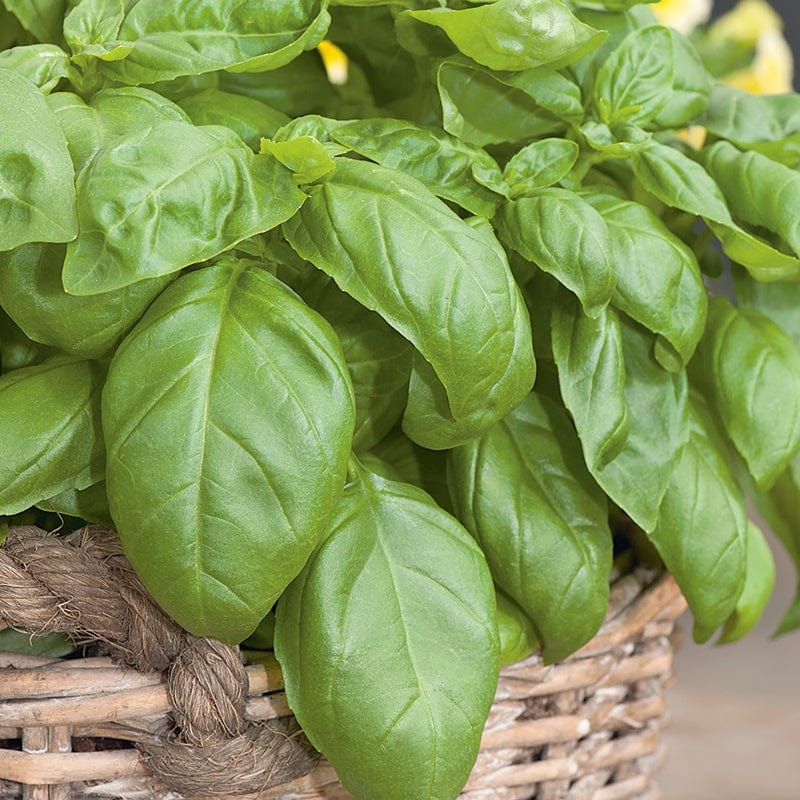
Don’t overlook herb seeds – parsley seeds, chive seeds, and basil seeds all thrive when started indoors now. Basil prefers warmth, so a heated propagator or warm kitchen windowsill is ideal.
Microgreens, such as our mustard white seeds and watercress aqua seeds, are a quick-growing crop. Simply sow into a seed tray or pot, fill with damp compost, and place somewhere warm.
Flowers to Sow in January
For flower lovers, January in the UK is the perfect time to sow long-season bloomers that need an early start.
Sweet pea seeds top the list. Sow them in deep pots or long tubes filled with peat-free compost and keep them in a cool but frost-free spot such as a greenhouse, conservatory, or cold frame. Regularly pinch out the tips when seedlings reach 10cm to encourage bushy growth and more flowers later on. Some seed varieties need soaking overnight to soften the seed coat.
Other good early choices include Delphiniums, lupins, Antirrhinums (snapdragons), and Geraniums. These perennials and annuals benefit from a longer growing period, ensuring strong, well-rooted plants by late spring.
Pansy seeds, viola seeds, and primrose plants can also be sown or planted into containers this month to add colour to patios and borders. They’ll happily flower through the remaining winter chill and into early spring.
If you have a heated propagator, try starting begonia seeds or petunias indoors. These tender annuals germinate slowly and need warmth and light to develop properly before being moved outdoors in late May. Very small seeds such as begonias are easier to sow if they are first mixed with a little fine, dry sand.
January Gardening Tasks Beyond Sowing
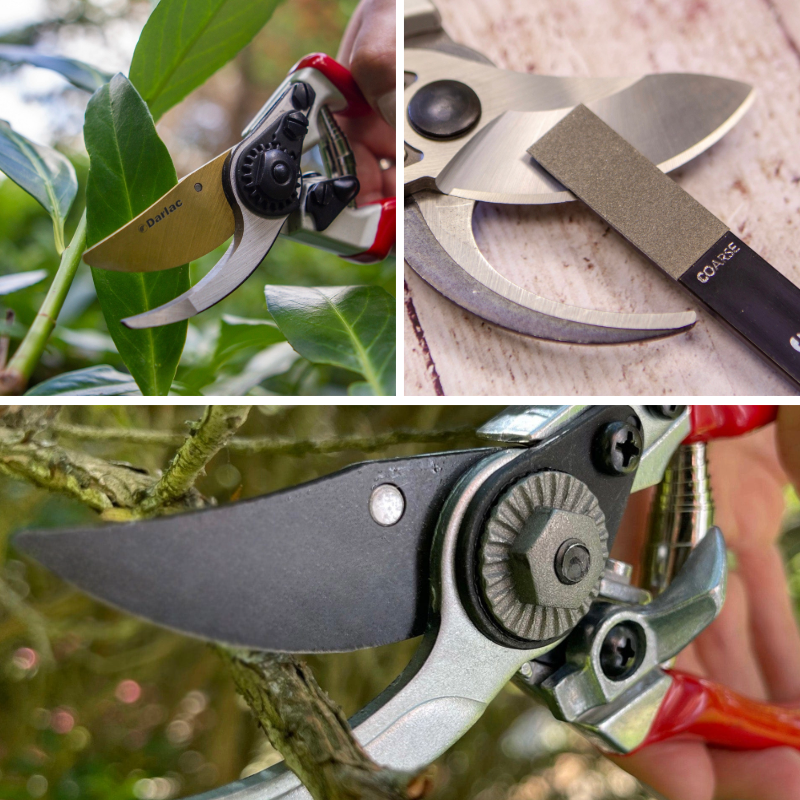
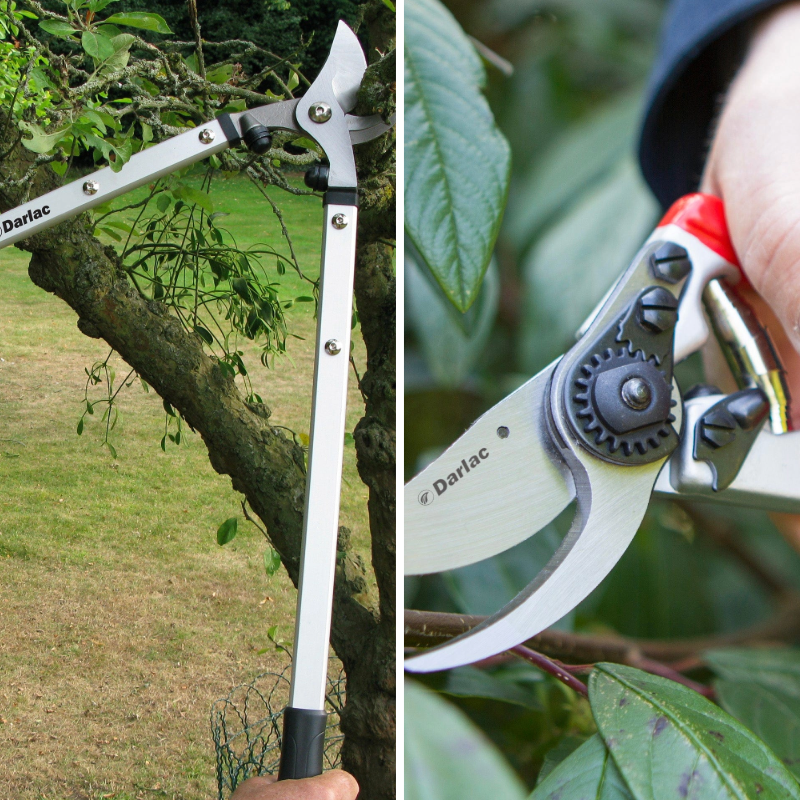
Beyond sowing, January in the UK garden is about care and preparation. Take advantage of dry days to prune apple and pear trees, removing any dead or crossing branches to promote healthy growth. Raspberries, currants, and gooseberries can also be pruned this month.
If the soil is not frozen or waterlogged, you can still plant bare-root trees, roses and shrubs. If they arrive and the ground is too wet or hard, keep them in pots of compost or heel them into a sheltered spot until conditions improve.
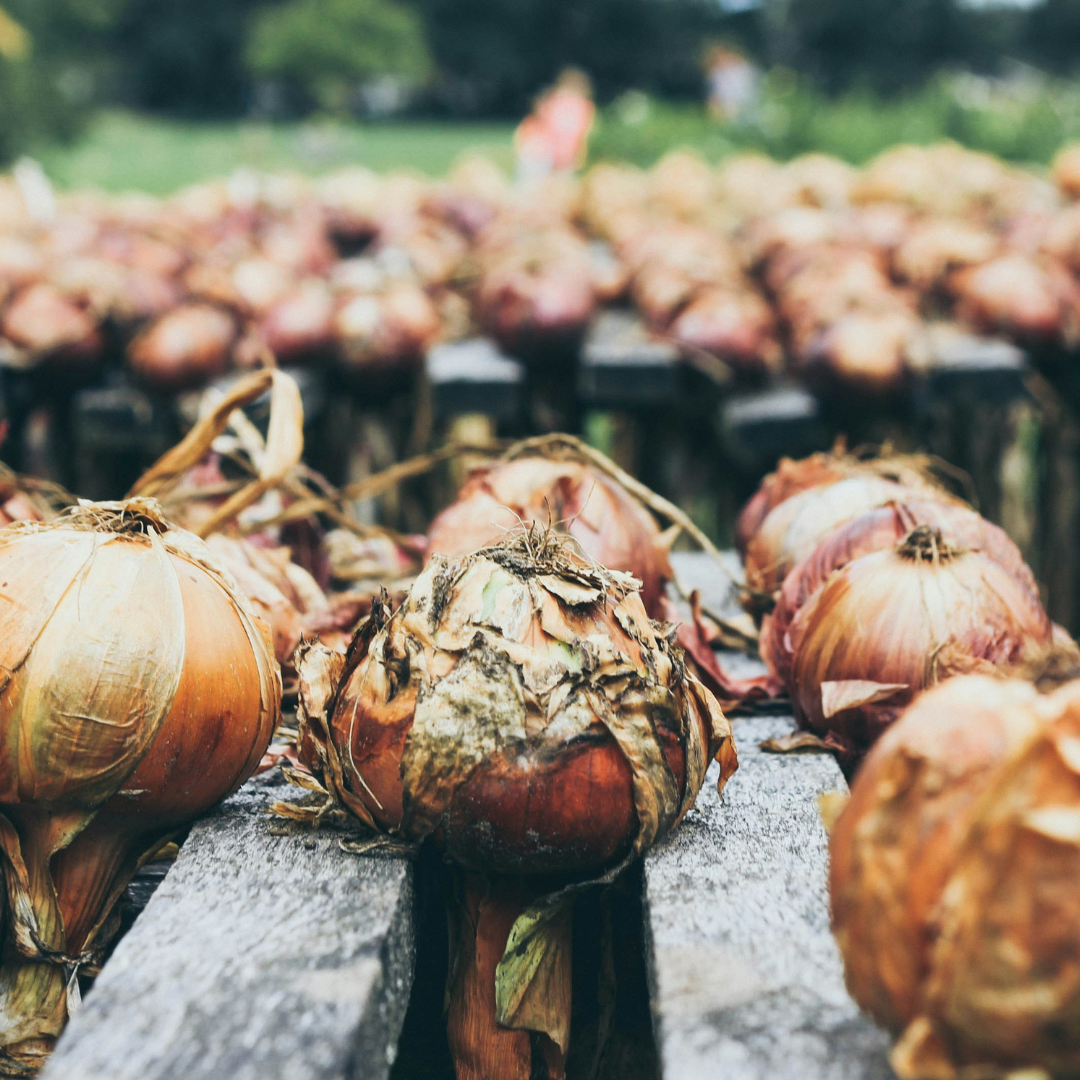
It’s an ideal time to clean and disinfect pots, trays, and tools, helping to prevent the spread of disease. Check stored dahlia tubers, begonia corms, and onions for signs of rot, removing any that are soft or mouldy.
Tidy and mulch borders with compost or well-rotted manure before spring bulbs grow too much.
Finally, keep feeding garden birds – they’re natural pest controllers and bring life to the winter garden.
Essential Tools & Supplies for January Sowing
For successful January sowing in the UK, make sure you have:
-
Seed trays or modules and fresh seed compost.
-
A heated propagator or sunny windowsill for warmth.
-
Labels and markers to track varieties.
-
Water mister or fine-rose watering can for gentle moisture.
-
Horticultural fleece or cloches for protection in greenhouses.
Having these essentials ready ensures a smooth start to your growing year and keeps delicate seedlings thriving.
Set the stage for a thriving Spring garden at D.T. Brown
In the UK, January gardening is all about quiet beginnings and strategic preparation. The work you do now – sowing early crops, pruning trees, and tending seedlings – sets the stage for a thriving garden later in the year.
At D.T. Brown, we have all you need so that your early efforts will be rewarded with strong plants and early harvests come spring.
This includes our range of garden propagators, garden labels, seed trays, and cold frames.
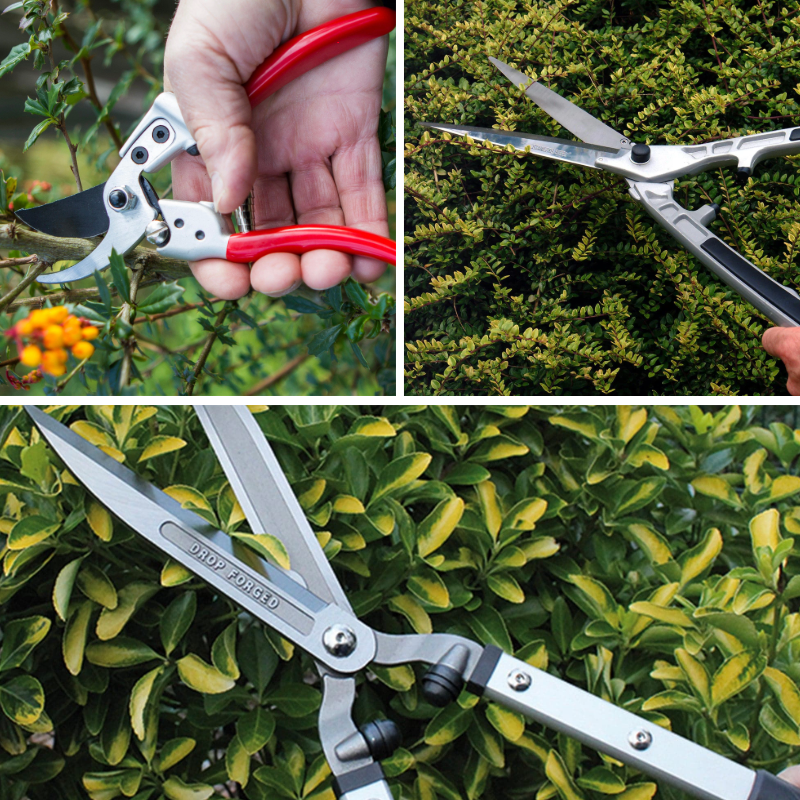
So, embrace the stillness of winter, sharpen your tools, and start sowing.