


With the Christmas rush over, we gardeners are itching to turn our attentions outside once again. But so often in January, we are forced inside by inclement weather. When it isn’t wet, it's cold. January offers us little in the way of light, causing many sowings to grow “leggy”; tall, thin stems that can’t support crops.
Most of your January gardening tasks are about preparation for the year ahead. However, there are vegetables to grow indoors this time of year that will help you scratch the itch and get a head start on your growing. Here we look at our top 5 vegetable seeds to sow indoors in January, including flowers and vegetables, and some easy jobs for January.
The January Gardener’s Mindset
January is all about patience and preparation. With the dark and cold, plant growth is much slower. So, we have the time to do things mindfully, without rushing, and lay the foundations for a successful year. Take the time in January to clear and mulch your beds, organise your seeds and clear out your greenhouse.
If you can’t go outside due to the weather, focus on planning your vegetable garden, so you have a clear idea of what you will need to do for the rest of the year. By focusing on little wins, you can chase away the January blues and make progress in your garden.
Vegetables to Sow in January
While there are a few hardy plants that can be planted outside in January in the UK, such as garlic and broad beans, onion sets, most sowings will take place indoors, protected from the elements. Here are the vegetables to plant in January in the UK:
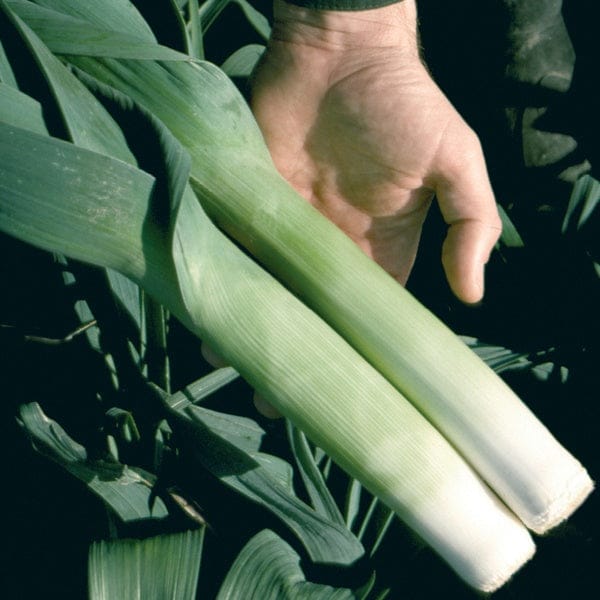
- Leeks: Leeks are very slow-growing and need a long season to produce a crop. By sowing your leek seeds in January, you can harvest at the end of the year. Sow seeds thinly in pots and cover with around 1.5cm of fine potting compost. Thin out the seedlings as they grow, and when they are about a pencil width, they can be planted outside. Leeks are very hardy, but for the best germination rates, keep them above 10 degrees.
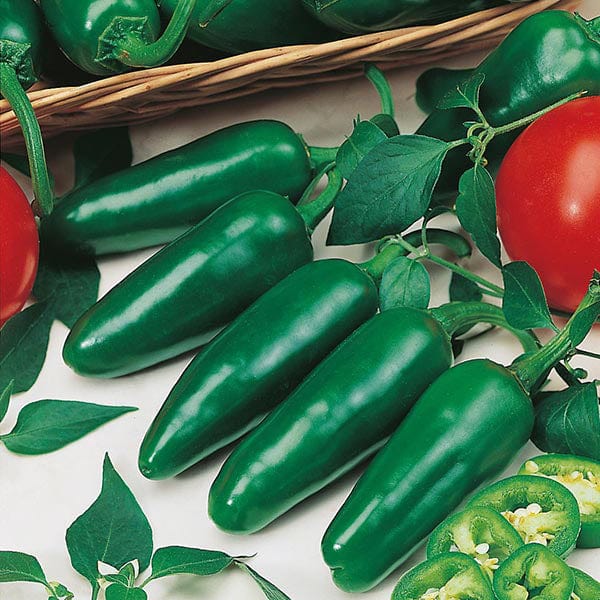
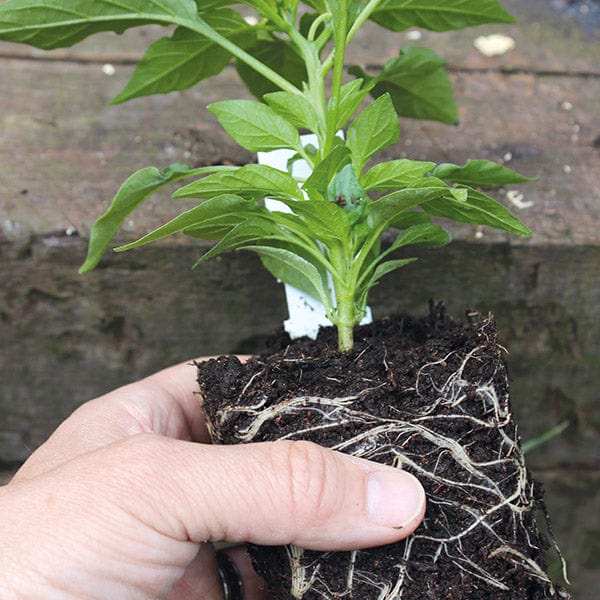
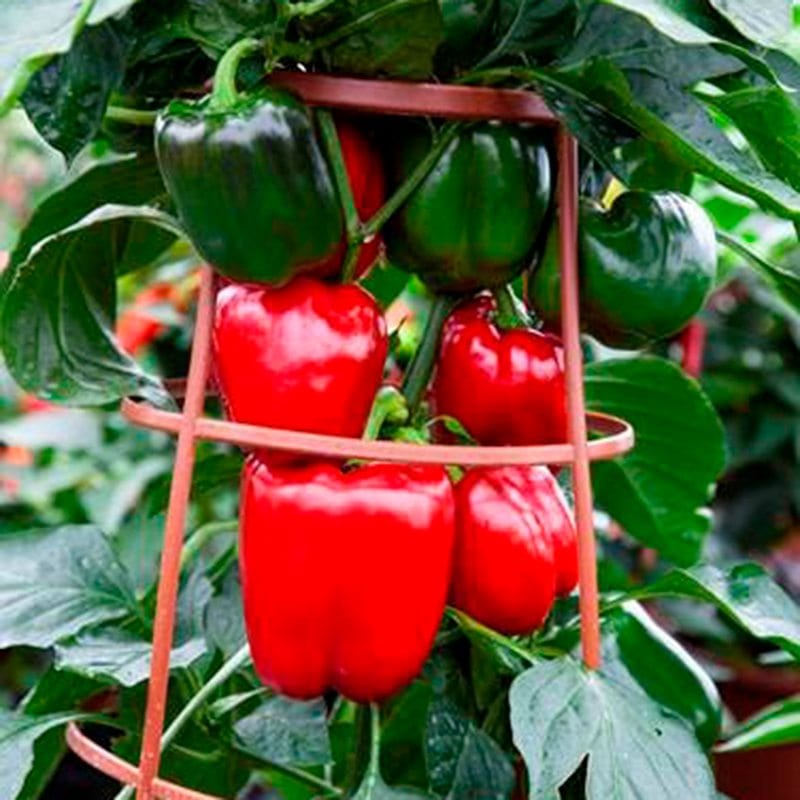
- Chilli Peppers: These are long-season plants that are used to tropical conditions. To grow strong, healthy chillies, you will need to provide them with additional light and heat, keeping them at around 20 degrees and providing at least 12 hours of light a day. Sow the seeds thinly into pots of well-draining potting compost. Cover lightly and water sparingly. Chillies are ready to plant out when the risk of frost has passed, usually in late spring or early summer, depending on where you live.
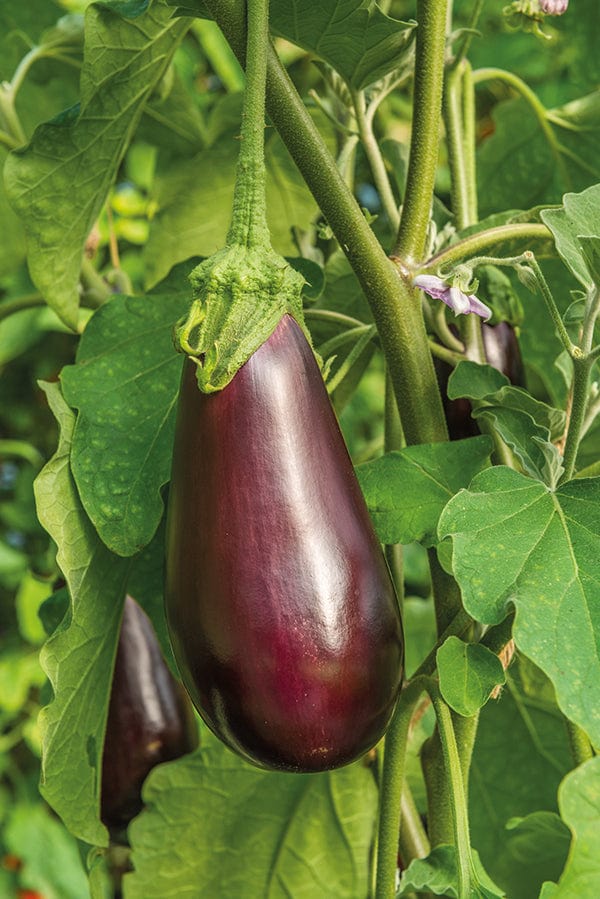
- Aubergines: Just like chillies, aubergines require a long growing season with lots of light and warmth, so it's best to start them early. Grow them on a warm, sunny windowsill, with grow lights if you have them, to extend the days. Plant them out once the risk of frost has passed.
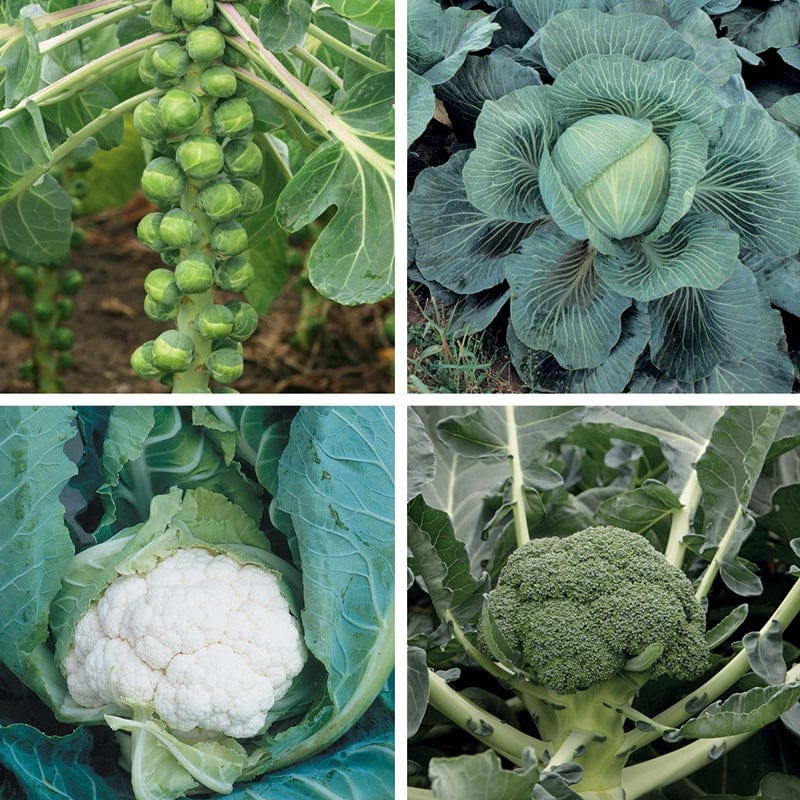
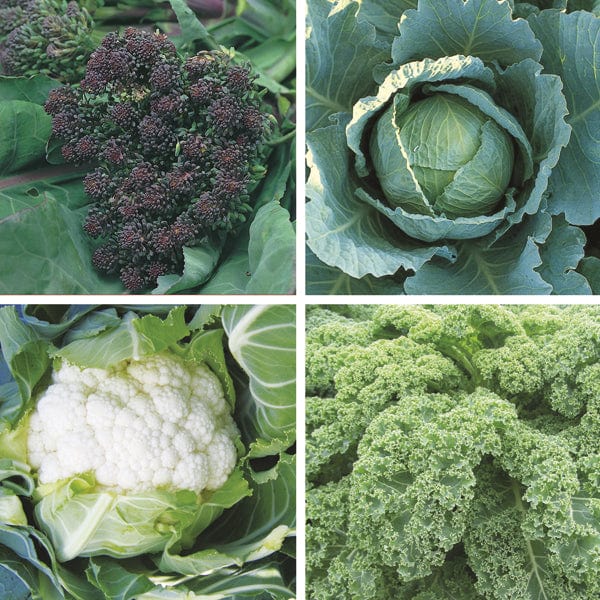
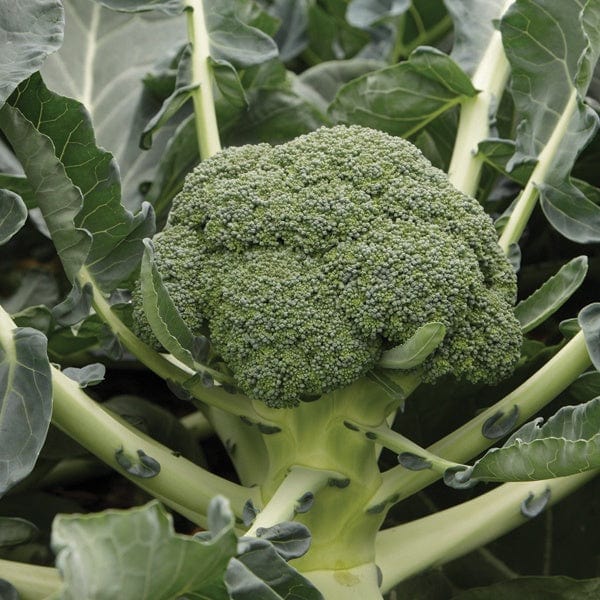
- Summer Cabbage: Summer cabbage needs to be sown in winter for beautiful summer harvests. Sow them thinly in trays and cover with about 0.5cm of fine seed compost. They will grow happily in an unheated greenhouse or on a sunny windowsill.
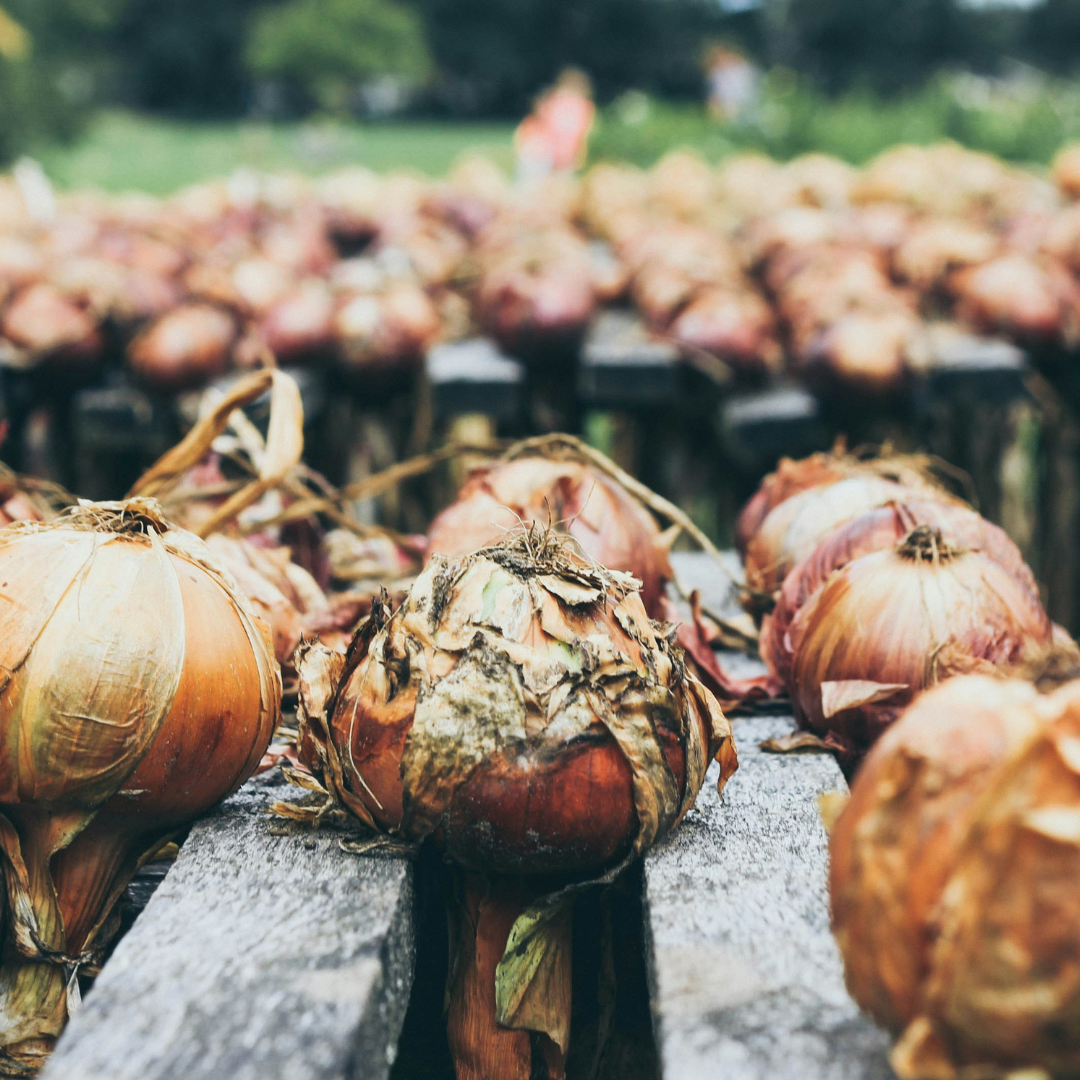
- Onions: Most people grow onions from sets, but if you prefer to grow from seed, winter is the time to sow. Sow seeds in a tray around 1cm apart and cover with a thin layer of compost. Plant them out when they’re big enough to handle.
Related Products
 Save £5.20
Flowers to sow in winter
Several flowers can be sown indoors in winter to fill your vegetable garden with colour and attract pollinators for your fruit. Here’s some flowers to sow now:
- Sweet peas: A firm favourite among allotmenteers, sweet peas are easy to grow from seed. Start them in winter between November and February. Use deep pots or deep root trainers with a couple of seeds in each. They don’t need any extra heat or light; just keep them in the greenhouse and plant them out in spring.
- Antirrhinum: Otherwise known as Snapdragons, Antirrhinum give a burst of colour and fun. Sow them on a warm windowsill or greenhouse, keeping them at around 20 degrees. Scatter the seeds thinly in a tray of compost and cover with a thin layer of seed compost. Plant out when the risk of frost has passed.
- Early Pansies: Their joyous colours brighten any space, and pansies are easy to grow from seed. Fill a tray with seed compost and scatter the seeds on the surface. Firm them into the ground and water well. Keep them in a greenhouse or under protection for extra warmth and plant out in spring.
January gardening tasks beyond sowing
Apart from sowing, there are plenty of other tasks we gardeners can be doing. If you’re wondering what flowers to plant in January in the UK, consider bare-root roses. These need to be planted while dormant and will continue to give you beautiful blooms for years to come.
When it comes to what vegetables to plant in January, you might want to consider planting bare-root fruit trees or bushes. This will give them time to establish themselves before spring. You can plant these as early as October for the best results. Don’t forget to plant your garlic in early winter, too, so it has plenty of time outside in the cold to split and form cloves. Wait until later winter or early spring to plant your onion sets.
Take the time in January to clear your growing space and prepare the soil with a mulch.
Essential tools and supplies for January sowing
January sowing requires either a warm, sunny windowsill or a greenhouse, as light levels are so restricted this time of year. If you don’t have either of these things, consider using a heated propagator and grow lights or sowing later in the season. You may also want to consider buying plants instead of seeds if you’re limited on your growing space during winter.
Make sure to use a good-quality peat-free seed compost. You will need some pots and trays and a thermometer to keep an eye on temperatures.
Conclusion
There are lots of vegetable seeds to sow in January in the greenhouse, and plenty of flowers too. You can also plant garlic and bare-root plants to prepare your garden for the year ahead. Our team of experts picks the best varieties to grow so that you don’t have to, enabling you to buy with complete confidence. Order today for high-quality plants and seeds with fast UK delivery.