



Hardening off plants is essential to ensuring that they grow well once they’re transferred from indoors to outdoors. Though the process is relatively simple in practice, it's worth knowing the specifics to ensure your plants acclimatise to their new environment properly for the best growth success.
Below, we cover all you need to know about hardening off plants, discussing the process and how to do it effectively.
What Does Hardening Off Plants Mean?
Hardening off plants refers to the process of acclimatising them to outdoor conditions. This is done to prevent plants from receiving a shock, as they will not be used to fluctuating temperatures and sunlight exposure when first grown indoors. While hardening off your plants, they will develop thicker, waxier leaves, which will allow them to withstand the outdoors much better.
The idea of hardening off is to do this gradually, as this helps them to slowly get used to outdoor conditions and full sun exposure without the risk of your seedlings being stunted in growth, wilting or even dying.
How Long to Harden Off Plants
There is no strict rule for how long to harden off plants, though generally, the process is done between a week and two weeks.
We recommend making your hardening-off period longer rather than shorter. The slow but steady nature of the process is key to its success, and giving your plants further time to adjust is key to its success. Shortening it may mean that your plants won’t have time to acclimatise and have a reduced chance of success.
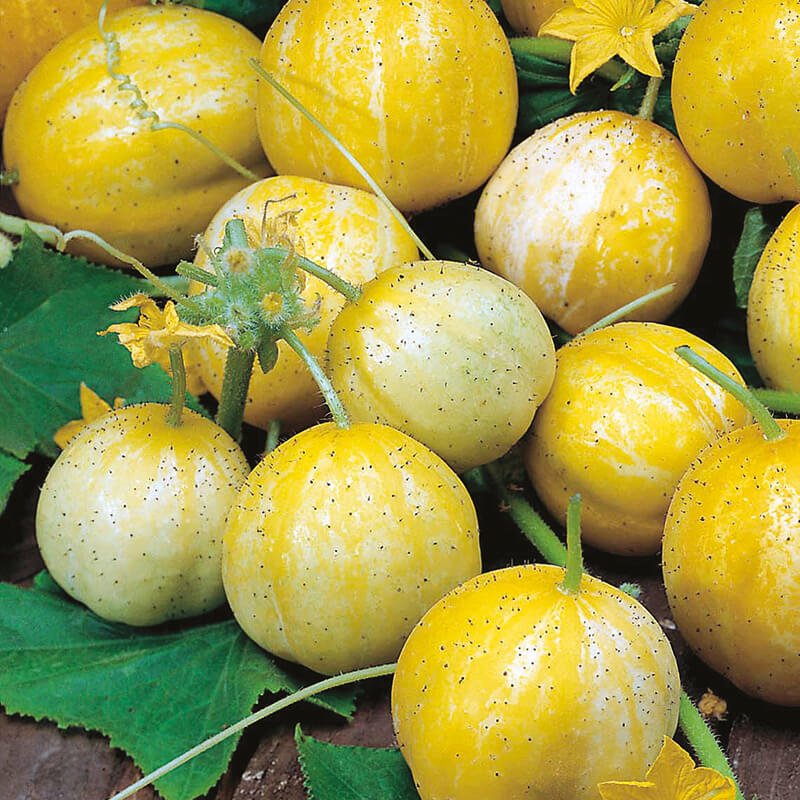
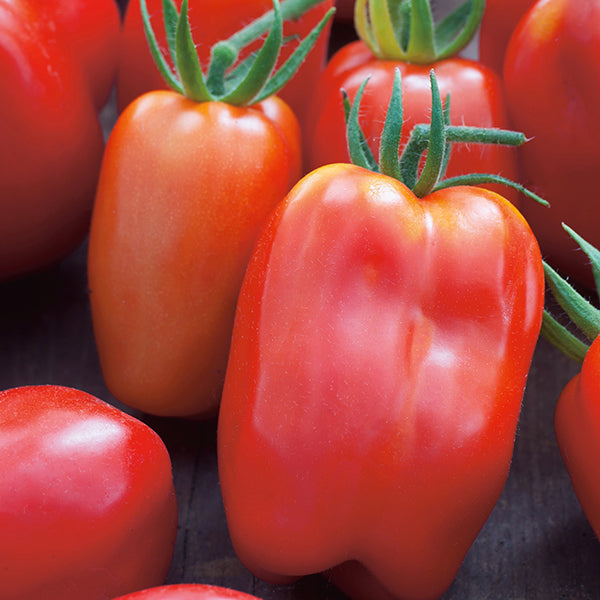
Tender plants, such as tomato plants, cucumber plants, and chilli plants, will need to be hardened off for longer due to being more sensitive to colder temperatures.
How to Harden Off Plants
Hardening Off Plants With a Coldframe
The ideal environment for hardening off plants is within a cold frame. This protects them from wind, which could dry them out, while ensuring they receive good sunlight.
The process of hardening off with a cold frame is simpler. Place your plants in the cold frame, leave the lid open during the day, and close it at night for a week. During the last week, gradually lift up the lid each night until it is completely open just before planting.
Hardening Off Plants Outdoors
If you don’t have a cold frame, you can place your plants in a protected area, such as behind a hedge or a south-facing wall.
To start, leave your plants outdoors for two hours. This should be a relatively mild day with no extremes, where it isn’t raining, snowing, or especially hot. If you’re about to start hardening off on a day like this, delay the process until you can start on a clear day. If there is a day with more intense weather during the process, ensure that you keep your plants indoors until the weather improves.
The next day, leave them out for an hour or two longer. Repeat this process throughout the hardening-off period, ideally for two weeks, as recommended.
If your plants look like they’ve been impacted by the process, such as wilting or developing sun-scorched leaves, bring them back inside and reduce their exposure for a day or two.
Once you reach the end of the first week, you can consider leaving your plants out overnight with fleece protection. Even when your plants are placed in their final positions, covering them with fleece at night is a worthwhile step if a cold snap is predicted.
By carrying out this process as described here and giving it more time to happen, you will produce more resilient plants that can thrive in outdoor conditions.
A Range of Garden Equipment at D.T. Brown
Grow your own plants using these tips to harden off plants and ensure they grow healthy and strong. We provide vegetable seeds, fruit seeds, and more to grow in your garden here at D.T. Brown. We also offer a wide selection of garden buildings and garden equipment to harden off your plants effectively. We’ve provided UK gardeners with quality gardening supplies for over a century, so you can trust our range to deliver.
Look at our garden blog for more useful articles and in-depth growing guides for various vegetable plants and fruit plants.
For more information about our diverse range of gardening supplies, get in touch today and we’ll be more than happy to help you out.