



How to Grow Chard from Seed

How to Grow Chard from Seed

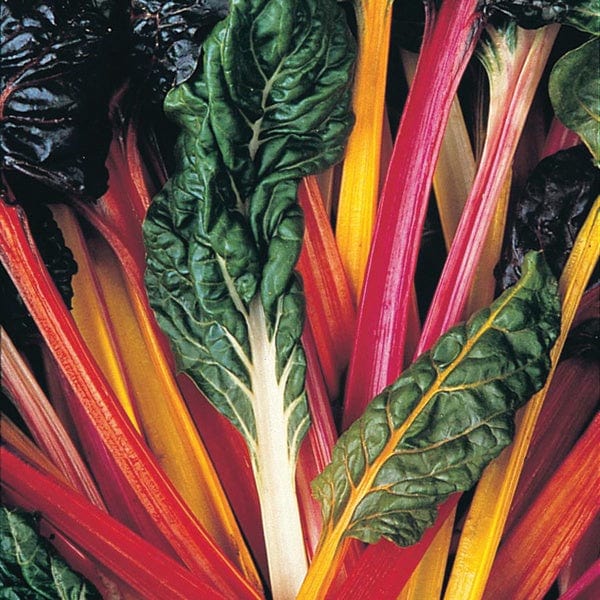
Chard, also known as Swiss chard, is a much underrated type of vegetable plant. These vegetables are becoming more popular, thanks to the varieties with brightly coloured leaf stalks and the revival in growing ornamental vegetables. Chard seeds are easier to grow than spinach seeds and other leafy vegetables, as they are less likely to go to seed in dry weather, and one sowing will produce a crop for many months. Chard is also a biennial plant, surviving for two years before going to seed. 

This guide from D.T. Brown provides useful advice on how to grow Swiss chard in detail for flavoursome leaves and dazzling stalks. Below, we cover each stage of growing chard seeds and chard plants, with tips from sowing through to harvesting.

Ground Prep

Chard will grow best when planted in an open, sunny spot with well-drained but moist soil.

They benefit from being grown in nutrient-rich soil, so add garden compost or well-rotted manure before sowing, ideally in the autumn or winter before. Raking in a high-potassium garden fertiliser is also recommended. 

Sowing

When to Sow Chard

Chard seeds should be sown outdoors between April and July. Making two sowings earlier and later, for example, one in April and one in July, is worthwhile. This means that your first sowing will produce leaves through to autumn but will produce bitter leaves once they go to seed in spring. However, your second will produce leaves later in autumn and some next spring for an early harvest after overwintering.

How to Sow Chard

Sow your seeds thinly, straight into the ground. They should be sown in a drill one inch (2.5cm) deep, 4in (10cm) apart in rows 15in (37.5cm) apart. Then, thin the seedlings to 1ft (30cm) apart.

How to Sow Chard Indoors

If preferred, chard can be sown indoors from early spring onwards. This has the benefits of earlier cropping, protection from pests, and more reliable germination.

Sow seeds in seed trays with one seed per module in garden compost for seeds. Then, water them well.

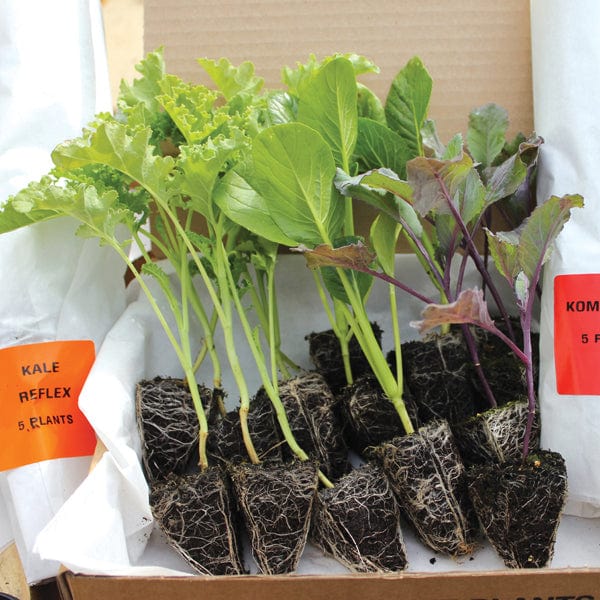
Once they grow large enough to handle, transplant your Swiss chard seedlings outdoors after the last frost. Gradually harden them off to get them used to outdoor conditions, then plant them outdoors.

How to Sow Chard in Containers

If you’re limited on space, you can sow chard in containers at least 16in (40cm) wide and deep. Water the plants regularly, as container-grown plants tend to dry out faster. Otherwise, the same advice for sowing also applies to container-grown Swiss chard seeds.

Featured Products

Shop All
Chard Bright Lights Vegetable Plants 5.0
  • 10 Plants (LATE) Code: 56841
  • 10 Plants (EARLY) Code: 56840

Sale price £6.95

Planting

When to Plant Chard

Chard plants, whether grown from seed indoors first or grown from plug plants, can be planted outdoors between April and July. 

How to Plant Chard

Handle your chard plant gently, taking care not to disturb the roots. Then, plant carefully into prepared soil. This should be done 30cm (1ft) apart from each plant.

Plant Care

Watering

Water your Swiss chard plants well until they’re established. After this, mature plants are tolerant to drought, though they benefit from regular watering for good leaf development. Take care to water your chard plants during prolonged dry periods.

Container-grown chard will need particularly regular watering, as the compost will dry out faster.

Weeding

Make sure to weed the surrounding area of your chard plants to prevent competition with other plants, which could limit their growth.

Mulching

Adding a layer of mulch to your Swiss chard plants will help conserve soil moisture and prevent weed growth. Use organic matter, such as garden compost, and leave a gap around the base of the plants to prevent the risk of their stems rotting.

Bolting

Chard plants may bolt in hot weather. This is when the plants produce flowers, which lead to the leaves becoming harsh and bitter. If your plants begin to produce flower stems, cutting these will allow your chard to produce good leaves for a while longer. They will inevitably flower at a particular stage, so remove and compost these when necessary.

Overwintering

Chard is quite hardy, though it benefits from extra protection for overwintering. Cover later-sown plants in October with garden cloches, or protect the crown with straw and cover with fleece for plants.

Harvesting

When to Harvest Chard

Chard will generally be ready to harvest after around 10-12 weeks from sowing. 

How to Harvest Chard

Pull off the outer leaves when they are large enough for the kitchen; don't wait until they reach full size.

Chard is a cut-and-come-again plant, meaning picking leaves will encourage new ones to form for a continued harvest.

If overwintered, you can harvest Swiss chard leaves in their second year in early spring before the plants go to seed.

Problems

Chard is a reliable plant that is simple to grow since it is reliable and doesn’t suffer many problems during growth. There are one or two issues that could arise, though these are quickly resolved or prevented through the methods below:

  • Slugs and snails – As with many plants, Swiss chard can be attacked by slugs and snails, though this can be resolved using snail and slug control products. It’s better to use these proactively rather than reactively, so we recommend using deterrent products to prevent them from attacking in the first place.
  • Downy mildew: Downy mildew is a disease caused by a fungus-like organism that occurs in wet, humid conditions. It can appear on plants in many different ways, with the most common sign being discoloured blotches on foliage (which are often yellow). Ensuring good air circulation between plants and avoiding getting leaves wet when watering are ways to prevent the problem from arising. Affected leaves should be removed immediately, whilst severely affected plants should be burnt or binned.
  • Birds - Birds are known to attack chard plants, so using garden netting to prevent them from reaching your plants is an effective protection method.
  • Grey mould - Grey mould is a fungal disease that thrives in wet and humid conditions. It causes a fuzzy layer of grey mould to cover leaves. This can be prevented by not overcrowding your chard plants, avoiding watering over the leaves and removing any dead plant matter around your plants.
  • Beet leaf miner – Beet leaf miner is a type of fly whose larvae grow inside leaves and eat them. This causes leaves to turn brown and shrivel, which can impact the growth of chard. To resolve this, squash the larvae in affected areas or prevent them with garden netting and crop rotation. 

Shop Chard Plants and Seeds at D.T. Brown

After reading our comprehensive guide on how to grow Swiss chard, you now know all you need to grow your own stalks for tasty and versatile leaves. We offer a brilliant range of chard seeds and chard plants on our online shop to get you started. Having over a century of experience in providing quality gardening supplies to UK gardeners, you can trust our range to grow fantastically.

To learn how to grow many other varieties of vegetable seeds and fruit seeds, you can find many more complete growing guides and helpful articles to get your garden at its best on our garden blog.

For more information about our range ofvegetable plants, fruit plants, herb seeds, or anything else we have available, get in touch today, and we’ll be more than happy to help.

Rachel Cole

Plant Expert

I'm passionate about gardening, and within six months of starting at D.T. Brown, I rented an allotment—and I’ve never looked back. I love growing both flowers and vegetables, but my favourite time of year is spring when seeds begin to germinate. My top crops to grow are tomatoes and runner beans, and each year, I cultivate a wide variety of plants from seed at home.

View more
Guide Chapters

Guide Chapters

  • How to Grow
  • Ground Preparation
  • Sowing
  • Planting
  • Plant Care
  • Harvesting
  • Problems

Leave a comment

This site is protected by hCaptcha and the hCaptcha Privacy Policy and Terms of Service apply.