
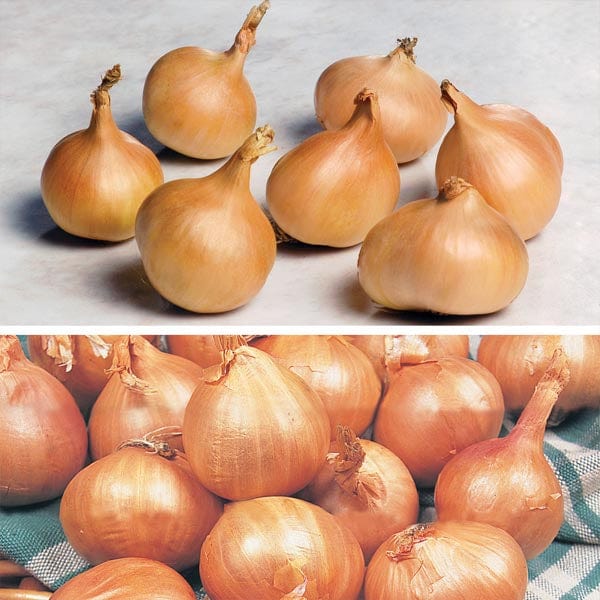
Spring Planting Shallot Bulb Collection

FREE DELIVERY
on all orders over £45
FREE DELIVERY
on all orders over £45
FREE DELIVERY
on all orders over £45
FREE DELIVERY
on all orders over £45
FREE DELIVERY
on all orders over £45
FREE DELIVERY
on all orders over £45
FREE DELIVERY
on all orders over £45
FREE DELIVERY
on all orders over £45
FREE DELIVERY
On All Orders Over £45
FREE DELIVERY
On All Orders Over £45
Item added to bag!
Your Basket
100% Satisfaction Guarantee
Up to 40% off SALE - don't miss out!


Your basket is empty
Continue shoppingSecure checkout · Free returns

Key information
Hassle-Free Delivery
Looking for a hassle-free way to get your gardening essentials? Look no further than DT Brown! We know how important your garden is to you, and want you to be able to stock up on everything you need. All our delivery charges will automatically appear in your shopping basket.
Seed Only Orders
£2.95 delivery charge
Non-Seed Items
£5.45 delivery charge
Combined Orders
£7.95 delivery charge (e.g. seeds and plants)

Depending on the variety, you can plant shallot bulbs in autumn or spring. Yellow Moon and Bistro are two varieties of spring planting shallots. It is best to plant in February or March when the ground is workable, and it’s not too wet. Shallots are remarkably resilient plants.
Planting shallot bulbs in spring is easy. Plant your shallots in rows around 3 to 5cm deep with about 15 to 20cm between each bulb. The rows should be around 30cm apart. Backfill so that the tops of the shallots are just visible, and water them in well. Make sure that the pointy end of the bulb is pointing upwards.
Planting asparagus seeds, bean plants, or peas may not be a good idea next to your shallots. Shallots are thought to stunt the growth of these particular plants. Similarly, they compete for the same nutrients as potatoes, so it's best not to plant them near your potatoes either.
Sign up to our newsletter for tips, ideas, and exclusive updates to help you grow your own