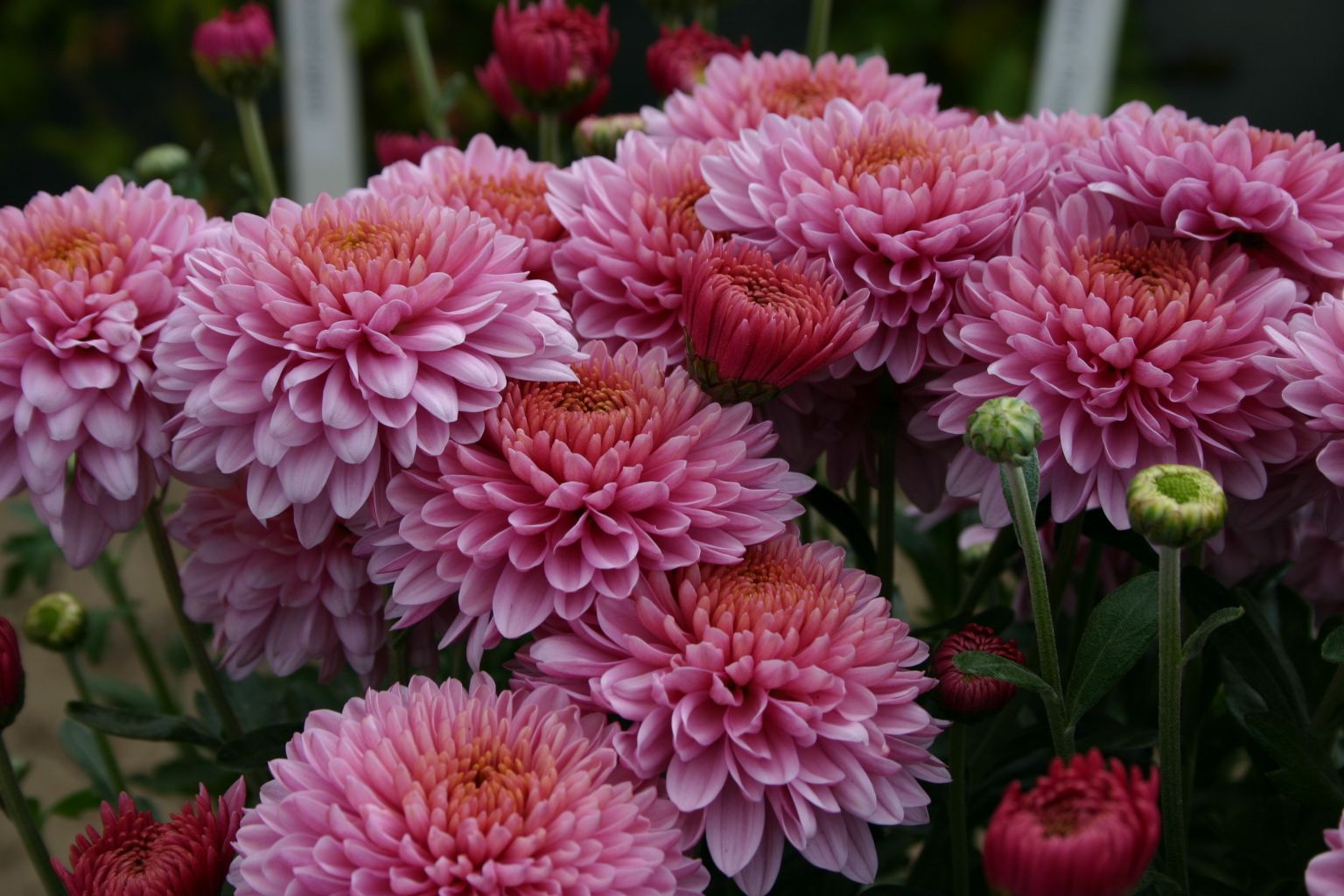







Spring is here, but not all bedding plants are ready. Right now, in mid-March, supermarket shelves are loaded with tender summer varieties that even a single sharp frost will wipe out. Plant those now, and you’ll be back to square one by April with the late spring frosts in the UK. Our guide covers the best spring bedding to plant now, how to prepare your raised beds, and exactly when to plant for instant colour.
A bedding plant is grown for seasonal colour, then replaced when its flowering period ends. Typically, annuals or biennials, they’re ideal for filling raised flower beds, containers, and borders. Spring varieties like pansies, violas, primroses, and wallflowers thrive in cool temperatures and shrug off late frosts.
The key distinction you need to know is between hardy and tender bedding plants. Hardy bedding will survive frost, whilst tender bedding does not and should only go outside after late May.
How to Prepare Raised Beds for Spring Planting
Before any plant goes in, your raised bed will need a quick refresh. A winter of rain and frost can leave soil compacted and nutrient-poor. Follow our steps to make sure to replenish your raised bed soil so you are spring-ready:
Start by clearing out dead plants, fallen leaves, and any straggly winter bedding. You can compost anything that’s past its best. Then top-dress with a 5cm layer of peat-free compost, gently forking it into the surface to improve structure, drainage, and nutrient retention in one go. If the soil still feels boggy after this, mix in some horticultural grit, as spring bedding hates wet roots as much as it hates frost. Finally, scatter a slow-release granular fertiliser over the surface and rake it in before planting.
What Are the Best Spring Bedding Plants? (The Instant Colour List)
The best spring bedding plants are hardy varieties that tolerate cold nights and late frosts. Here are the ones to plant right now:
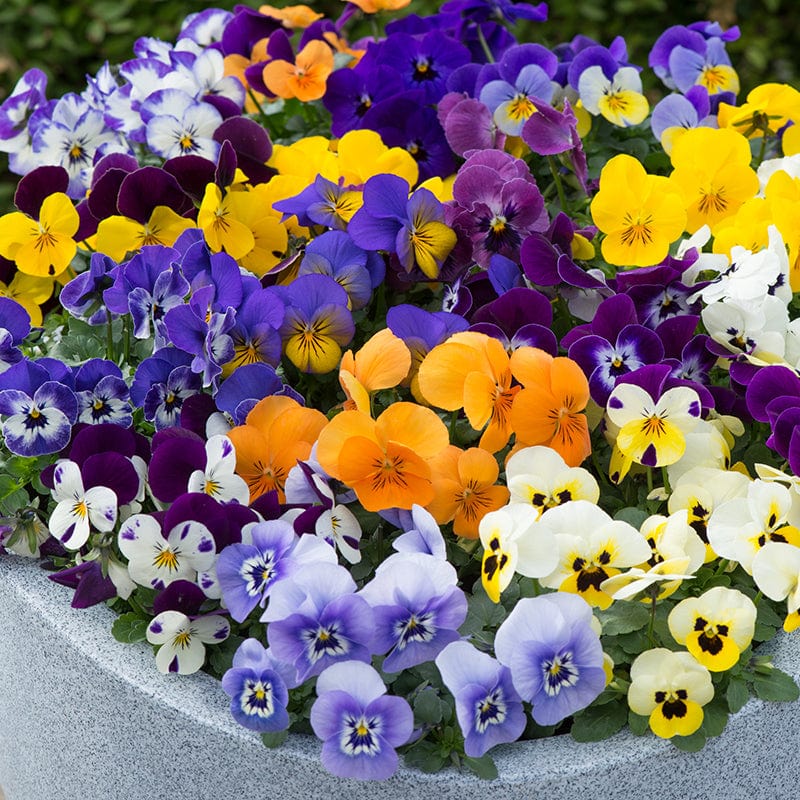
- Pansies: The undisputed champions of spring bedding. Frost-hardy and available in every colour, pansies bloom continuously from now through early summer. Deadhead regularly to keep them going.
- Violas: Smaller cousins of the pansy, equally tough and often more prolific. Great for borders, baskets, and window boxes. They self-seed readily, too.
- Primroses: Fully hardy and perfect for March’s cool, damp conditions. Available in traditional yellow or a wide range of vibrant colours.
- Polyanthus: A cluster-flowered primrose giving multiple blooms per plant in rich jewel tones. Excellent for instant, dense colour in raised beds and containers.
- Wallflowers: A British classic with a sweet fragrance. Typically planted in autumn, but established plants are widely available now and will flower well through April and May.
Frost Warning: Don't plant these just yet! Petunias, busy lizzies, and marigolds will be killed by frost, so if sowing or planting, keep them under cover until late May.
When to Plant Bedding Plants for Spring
Timing is everything, if you plant too early and tender varieties get frosted, and too late and you miss weeks of colour:
Mid-Match: Hardy bedding plants
Plant your pansies, violas, primroses, polyanthus, and wallflowers as they can all go outside now. These hardy annuals and biennials tolerate frosts and flowers happily in cool temperatures.
April: Start tender plants under cover
Start tender summer bedding under glass, like petunias, busy lizzies and marigolds in a greenhouse, cold frame, or sunny windowsill, so your plants are strong and ready for late May.
Late May: Tender summer bedding
Once frost risk has passed, you can plant out petunias, begonias, busy lizzies, and marigolds in your beds. Make sure you harden them off first with a week outdoors in a sheltered spot during the day so they can acclimatise to being outdoors.
Caring for Your New Spring Display
Once your plants are in, make sure you give them lots of attention. Spring soil is naturally moist, so only water when the top inch feels dry and always water at the base of your plants to reduce fungal risk. Deadheading spent flowers regularly, especially on pansies and violas, redirects the energy into new blooms and is the single most effective way to extend your flowering season. Fresh compost provides enough nutrients to start with, but from late April, apply a liquid feed every two weeks to keep plants flowering strongly.
Keep a roll of horticultural fleece to hand for sharp overnight frosts; it can be thrown over beds and removed in the morning with no ill effects. Finally, spring is peak slug season, so check plants morning and evening and use organic pellets or copper tape around your raised bed edges.
Your Spring Garden Starts Here
Spring bedding doesn’t need to be complicated. Choose hardy plants like pansies, violas, and primroses for colour right now, prep your raised beds, and save tender summer bedding for late May. Get these basics right, and your garden will be bursting with colour in the coming weeks.
Shop our full range of bedding plants, explore our flower seeds, or find your perfect raised bed for this season.