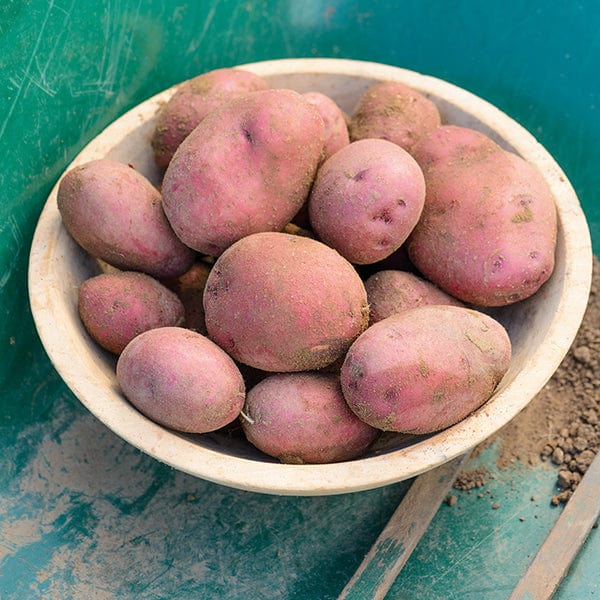
Potato Red Duke of York (First Early Seed Potato) AGM

FREE DELIVERY
on all orders over £45
FREE DELIVERY
on all orders over £45
FREE DELIVERY
on all orders over £45
FREE DELIVERY
on all orders over £45
FREE DELIVERY
on all orders over £45
FREE DELIVERY
on all orders over £45
FREE DELIVERY
on all orders over £45
FREE DELIVERY
on all orders over £45
FREE DELIVERY
on all orders over £45
FREE DELIVERY
on all orders over £45
FREE DELIVERY
On All Orders Over £45
FREE DELIVERY
On All Orders Over £45
Item added to bag!
Your Basket
Buy any 2 Potted Fruit Plants, get a FREE Rhubarb Plant!


Get your autumn pre-orders now!


Your basket is empty
Continue shoppingSecure checkout · Free returns

Key information
Hassle-Free Delivery
Looking for a hassle-free way to get your gardening essentials? Look no further than DT Brown! We know how important your garden is to you, and want you to be able to stock up on everything you need. All our delivery charges will automatically appear in your shopping basket.
Seed Only Orders
£2.95 delivery charge
Non-Seed Items
£5.45 delivery charge
Combined Orders
£7.95 delivery charge (e.g. seeds and plants)

Learn more about Red Duke of York Seed Potatoes (First Early).
The best time to plant red Duke of York potatoes is from mid-March to mid-April, when the soil temperature is consistently above 8°C, and the risk of frost has passed. It is recommended to choose a dry day free from frost for planting, and the seed potatoes benefit from chitting beforehand to encourage sprouting.
Red Duke of York potatoes typically take about 10 to 12 weeks from planting to harvest as a first early variety. They are known for their fast growth and early cropping, making them ready for harvesting around late June to early July if planted in mid-March to mid-April.
Red Duke of York potatoes can be stored for several months if kept properly. For storage, harvest your potatoes fully, allow them to dry for a few hours, and then store them in a cool, dry, dark place with good ventilation. It is best to keep them in hessian or paper sacks instead of plastic bags to prevent moisture buildup and rotting.
Sign up to our newsletter for tips, ideas, and exclusive updates to help you grow your own