



Summer may end in August, but your garden’s spectacular finale shouldn’t happen until November.
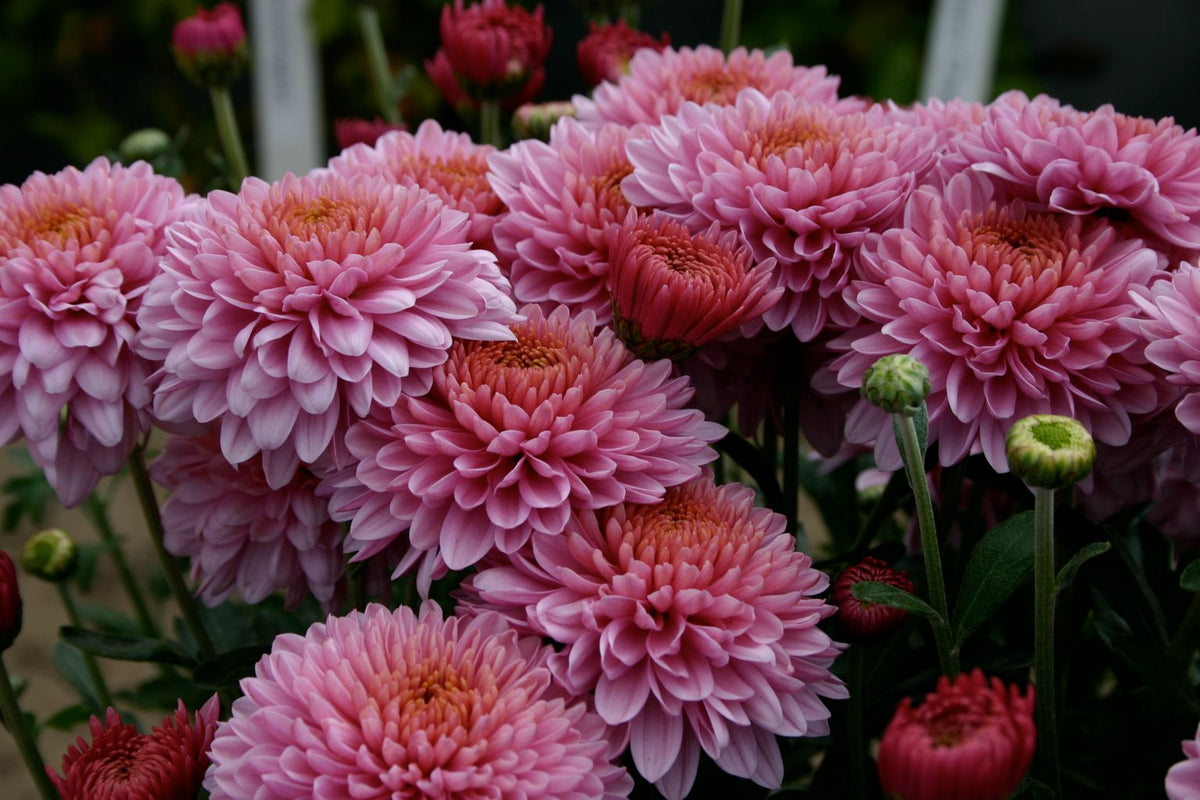
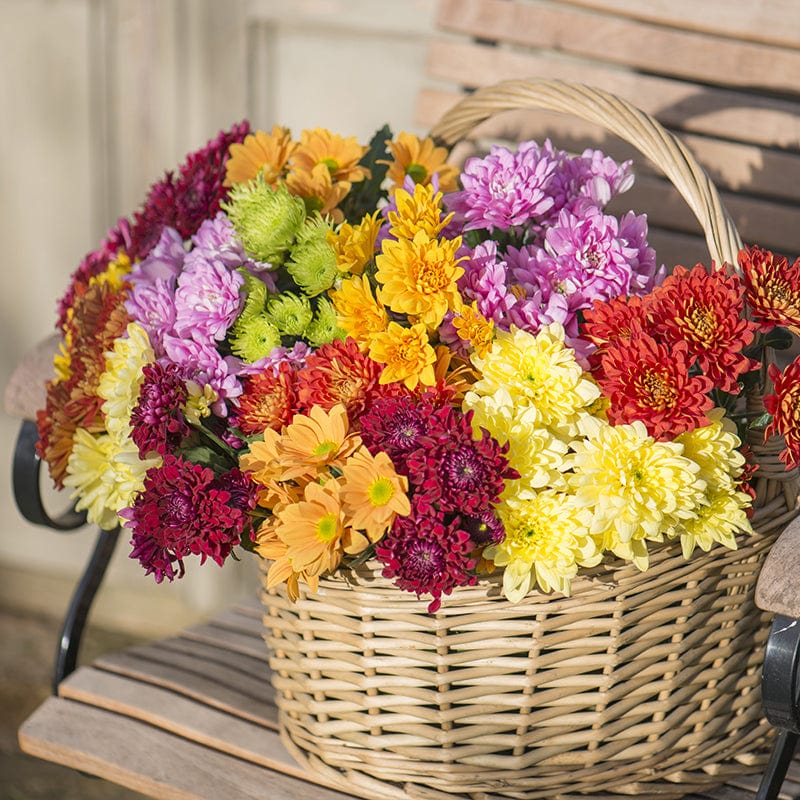
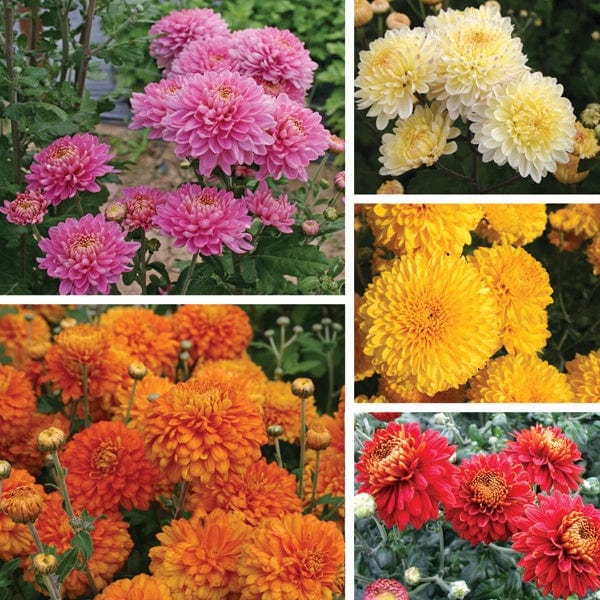
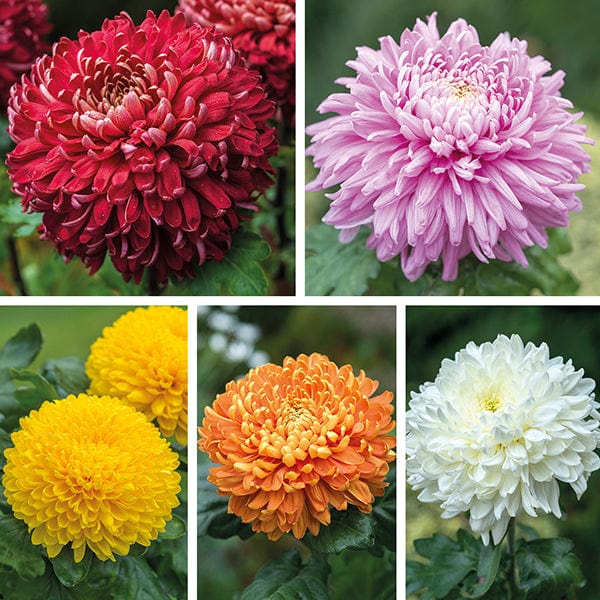
Enter the Chrysanthemum, the queen of the autumn garden and the ultimate cut flower. A well-grown ‘mum’ in full bloom is one of the great sights of the autumn garden, blooming in copper, gold, burgundy, white and pink just as everything else is fading. They’re also one of the best cut flowers you can grow, lasting for weeks in a vase and bringing the outdoors in.
Whether you’re growing chrysanthemums in a border or trying chrysanthemum growing in pots, this guide will demystify the professional techniques of growing "mums," explaining exactly when to start them, how to pinch them for maximum flowers, and how to keep them blooming until the first hard frosts.
When to Grow Chrysanthemums (The Timeline)
Most chrysanthemums work roughly the same rhythm as they start in late winter and flower right through to the first frosts. Here are the key dates for the year.
February to March: Take cuttings from overwintered stools or purchase young plants from D.T Brown and pot undercover.
April to May: Pot on your cuttings and begin the first ‘stopping’ (pinching out) to encourage a bushy habit.
Late May to June: Plant out your chrysanthemums after the last frosts and stake the taller varieties.
June to July: Continue pinching out and feeding with plant food.
October to November: Enjoy the spectacular autumn display and cut flowers freely for your house or bouquets.

The Best Time to Grow Chrysanthemum
The best time to grow chrysanthemums is to start them under glass in February or March, then move them outside once the frosts are over. There are two types of chrysanthemums:
Hardy chrysanthemums: These can be left in the ground over winter in milder parts of the UK and need little fussing over.
Half-hardy chrysanthemums: The spectacular exhibition and disbud types grown for showing and cutting. They must be lifted after flowering, stored frost-free in a dry and cool place, and restarted from cuttings each spring.
How to Grow Chrysanthemums: Step-by-Step
Here is our foolproof guide to planting chrysanthemums this season.
1. Choose a sunny, sheltered spot: Chrysanthemums need full sun and well-drained soil to thrive. They will not flower well in shade and will rot in waterlogged ground over winter, so pick your spot carefully.
2. Prepare the soil: Dig in well-rotted compost or manure in the autumn before planting to improve drainage and fertility, giving your “mums” the best start.
3. Plant out after the last frost: Late May is the ideal time for planting. Space plants 60cm apart for good air circulation and to reduce the risk of fungal disease.
4. Staking: Put plant supports or stakes in at planting time to avoid disturbing roots later. Use soft twine to tie stems loosely as they grow.
5. Watering: Keep the soil evenly moist and water at the base of the plant. Avoid overhead watering, which encourages fungal diseases such as mildew.
6. Watch for earwigs: These pests will shred petals overnight. An upturned flowerpot stuffed with straw on a cane is a highly effective earwig trap. Make sure you check and empty it each morning.
7. Lift half-hardy types after flowering: Cut back to 15cm high, carefully lift the plant, and store in trays in a cool, frost-free greenhouse or shed over winter.
The Secret to More Flowers: “Stopping”
If there’s one thing that separates a decent display from a spectacular one, it’s stopping. Put simply, this is pinching out the growing tip to force the plant into branching. Leave it unpinched, and you’ll get one tall stem with a few flowers. Pinch it, and you’ll get a plant abundant with pretty blooms.
1. First stop: When the plant has about eight leaves, pinch out the soft tip cleanly with your finger and thumb. This triggers multiple side shoots for your chrysanthemum plant.
2. Second stop: Once side shoots have six leaves, pinch them again to multiply flowering stems further.
3. Disbudding: For the largest single blooms, remove all side buds from each stem, concentrating the plant’s energy into one outstanding flower for cutting or showing.

Related Products
Feeding and Autumn Care
Chrysanthemums are hungry plants, so feed them well, and they will reward you.
Spring to midsummer: A balanced general-purpose fertiliser will do the job and build strong stems and plenty of leafy growth to support the flowers later.
Late summer: Switch to a high-potassium feed, like a tomato fertiliser, to intensify flower colour. Try to avoid high-nitrogen feeds, which will end up promoting leaves at the expense of blooms.
Once buds show colour: Stop feeding and let your “mum” speak for itself with a showy display.
Half-hardy varieties must come under cover before the first hard frosts. Hardy varieties can generally be left in well-drained ground; just make sure you cut back after flowering and mulch the crown with straw or bark for winter protection.
When it comes to overwintering chrysanthemums, drainage matters far more than temperature. They’ll shrug off a degree or two of frost, but sitting in cold, wet soil through winter will finish them off, so water sparingly.
Conclusion
Chrysanthemums require a little patience through the summer, but their explosive autumn colour is the ultimate reward for any gardener, when the rest of the garden has given up, and yours is still exploding with colour.
Browse our full range of chrysanthemum plants to find your perfect autumn showstopper today.